How do visitors usually react when they discover the island still has traditional bullfighting events?
- Bullfighting mallorca
- Sant sebastià festival
- Traditional bullfighting
- Palma plaza toros
- Mallorca cultural events
- Animal welfare mallorca
- Matador skill
- Local traditions
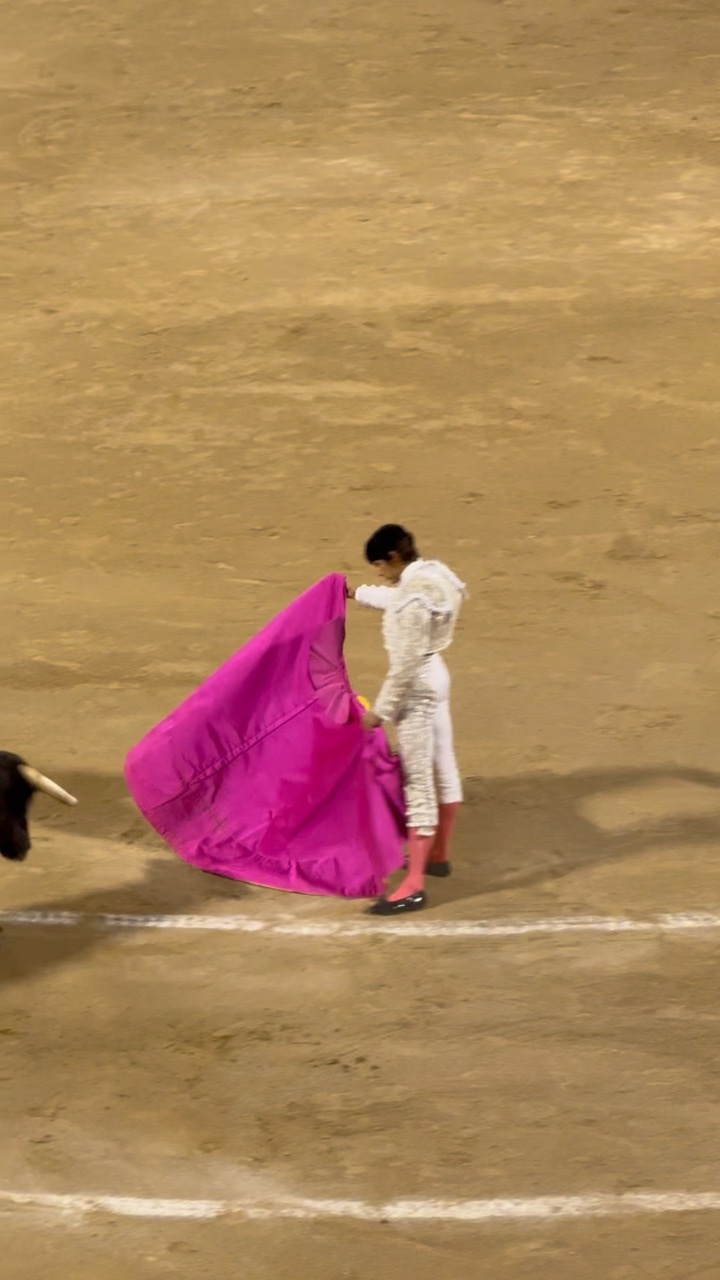
A subtle but telling sign often comes from overhearing conversations in cafés or markets just outside Palma, where locals mention bullfights as a centuries-old tradition yet also a subject of lively debate. For many newcomers, learning about bullfighting on the island brings a mixture of fascination and discomfort. The spectacle, usually held during traditional festivals such as Sant Sebastià in Palma or smaller local fairs in towns like Manacor, reveals a pageant steeped in ritual, local music, and the artisanship of the matadors, drawing a crowd that appreciates its deep cultural roots.
However, it is common for visitors to grapple with the ethical side of the events. The sight of the bulls facing the matadors and the crowd’s emotional intensity can feel at odds with modern sensibilities about animal welfare, particularly for travellers attuned to these concerns. This creates a nuanced experience — some admire the skill and history while others quietly question the morality of the practice. Discussions often ensue among visitors after witnessing or hearing about a corrida, reflecting on how this tradition fits within the island's evolving identity.
Context matters: those attending bullfights at the Plaza de Toros in Palma or smaller villages may feel the charged atmosphere firsthand, with the crowd’s cheers and the ritualistic music raising the emotional stakes. Visitors introduced to bullfighting only through local narratives or documentaries might approach it more critically, seeking to understand the complex balance locals strike between preserving tradition and embracing contemporary values. Ultimately, reactions range widely but invariably enrich the visitor’s understanding of the cultural tapestry woven through Mallorca’s festivals and customs.