How has the architecture along Passeig des Born evolved over the years?
Similar Topics
Passeig des Born
Palma Mallorca
architectural evolution
neoclassical architecture
modernist style
Art Nouveau
Modernisme
historic buildings
cultural hub
Mallorca travel
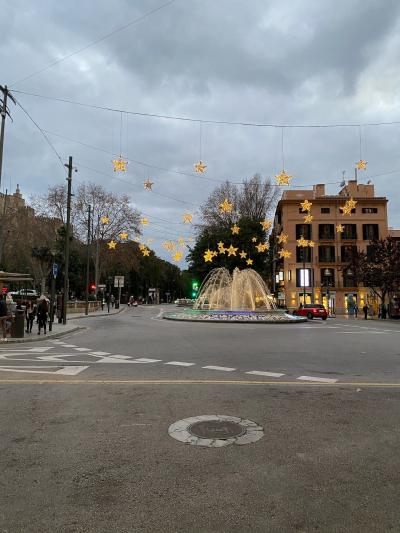
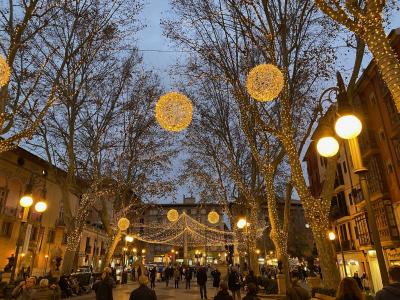
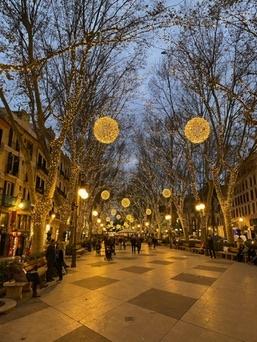
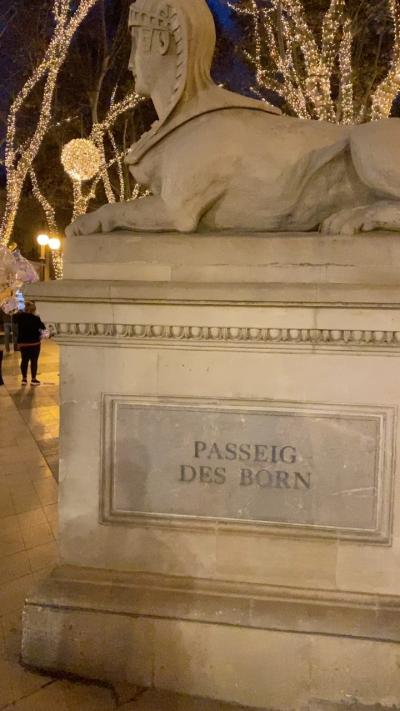
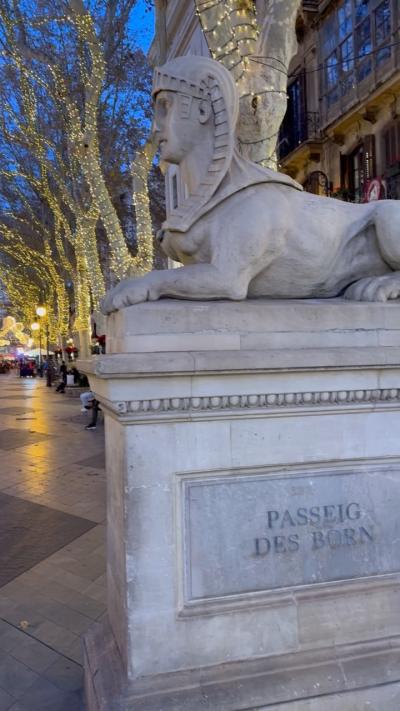
Passeig des Born, located in the heart of Palma, Mallorca, has undergone a fascinating evolution in its architectural style over the years, reflecting the island's rich history and cultural influences. Originally established as a promenade in the 19th century, it featured a blend of neoclassical and modernist architecture, with elegant facades and spacious sidewalks that invited leisurely strolls. The trees lining the street, combined with charming cafes and shops, created a vibrant atmosphere that quickly became popular among locals and visitors alike.
As the years progressed, the architecture along Passeig des Born began to incorporate more eclectic elements, showcasing influences from the Art Nouveau movement and later, the Modernisme style. This is evident in the intricate details and decorative motifs found in many of the buildings. The period of the early 20th century saw the introduction of more ornate designs, with wrought iron balconies and colorful tiles that added character and charm to the street. Additionally, the restoration of various buildings has played a significant role in preserving the historical essence of the area while accommodating modern needs.
Today, Passeig des Born stands as a testament to the architectural journey of Palma, intertwining past and present. Visitors can admire the harmonious blend of styles that coexist along the boulevard, where traditional Mallorca meets contemporary design. The area remains a cultural hub, with art galleries, boutiques, and eateries nestled within these historic structures, allowing travelers to experience the city’s rich heritage while enjoying the lively atmosphere of modern-day Palma. This unique architectural tapestry makes Passeig des Born not just a beautiful place to walk, but also a living narrative of the city’s evolution through time.
As the years progressed, the architecture along Passeig des Born began to incorporate more eclectic elements, showcasing influences from the Art Nouveau movement and later, the Modernisme style. This is evident in the intricate details and decorative motifs found in many of the buildings. The period of the early 20th century saw the introduction of more ornate designs, with wrought iron balconies and colorful tiles that added character and charm to the street. Additionally, the restoration of various buildings has played a significant role in preserving the historical essence of the area while accommodating modern needs.
Today, Passeig des Born stands as a testament to the architectural journey of Palma, intertwining past and present. Visitors can admire the harmonious blend of styles that coexist along the boulevard, where traditional Mallorca meets contemporary design. The area remains a cultural hub, with art galleries, boutiques, and eateries nestled within these historic structures, allowing travelers to experience the city’s rich heritage while enjoying the lively atmosphere of modern-day Palma. This unique architectural tapestry makes Passeig des Born not just a beautiful place to walk, but also a living narrative of the city’s evolution through time.
More Fotos