How can I explore Palma’s markets without getting caught in the busiest crowds?
Similar Topics
palma markets
mercat de l'olivar
avoid crowds
local foods
pa amb oli
binissalem wine
soller market
market tips
Markets like Palma’s Mercat de l'Olivar are rooted in centuries of trading tradition, once serving fishermen, farmers, and artisans around the Bay of Palma. To enjoy these lively markets without the crush, early mornings on weekdays are your best bet. Vendors typically begin arranging their fresh catches and produce just after dawn, so arriving around opening time means you can browse chilled mallorcan sobrassada or freshly caught seafood at a thoughtful pace, often chatting with the local stallholders. Avoiding Saturdays and major holiday mornings will also spare you from the largest crowds, as locals and tourists alike flock to Palma to stock up for the weekend.
If the centre of Mercat de l'Olivar seems too busy, try weighing up smaller markets in towns like Soller or Alcudia. These tend to attract fewer tourists yet maintain a strong community feel, offering delicacies like pa amb oli or ensaimadas. Exploring stalls off the main aisles might reveal artisan handicrafts or Binissalem wines that get overlooked by most visitors. Also, entering from less obvious doors — perhaps near the fishmongers or flower sellers rather than the main entrance — can grant a quieter, more authentic experience.
Finally, timing your market visit around local festivals like Sant Sebastià or the Festa de l’Ametler can be rewarding. Though these events draw crowds, the markets sometimes host special local vendor days or thematic stalls less invaded by tourists. Engaging in small tastings of Hierbas or Palo and observing local cooking demos adds a rich cultural layer to your visit, making the bustling market much more personal. With a little planning, Palma’s markets unfold as both a feast for the senses and a calm space away from the busiest throngs.
If the centre of Mercat de l'Olivar seems too busy, try weighing up smaller markets in towns like Soller or Alcudia. These tend to attract fewer tourists yet maintain a strong community feel, offering delicacies like pa amb oli or ensaimadas. Exploring stalls off the main aisles might reveal artisan handicrafts or Binissalem wines that get overlooked by most visitors. Also, entering from less obvious doors — perhaps near the fishmongers or flower sellers rather than the main entrance — can grant a quieter, more authentic experience.
Finally, timing your market visit around local festivals like Sant Sebastià or the Festa de l’Ametler can be rewarding. Though these events draw crowds, the markets sometimes host special local vendor days or thematic stalls less invaded by tourists. Engaging in small tastings of Hierbas or Palo and observing local cooking demos adds a rich cultural layer to your visit, making the bustling market much more personal. With a little planning, Palma’s markets unfold as both a feast for the senses and a calm space away from the busiest throngs.
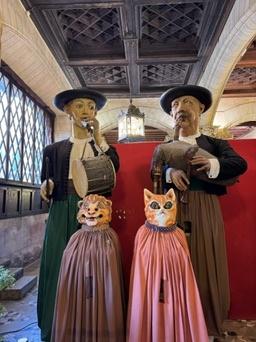
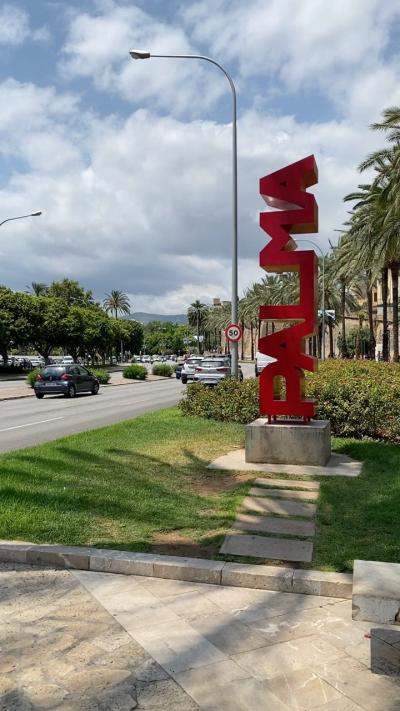
Palma
More Fotos