How does the climate in Mallorca affect the wine production?
Similar Topics
Mallorca wine production
Mediterranean climate
grape growing Mallorca
Mallorca vineyards
sustainable wine practices
Mallorca wine tasting
climate change impact on wine
organic farming Mallorca
Mallorca wine varieties
wine character Mallorca
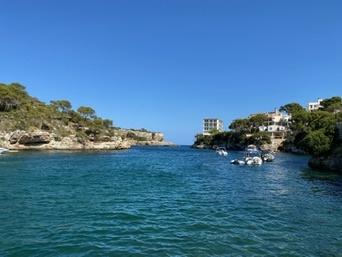
Mallorca's climate plays a significant role in shaping the character of its wines. The island enjoys a Mediterranean climate, characterized by hot, dry summers and mild, wet winters. These conditions are particularly favorable for grape growing, as the warm temperatures during the summer months allow grapes to ripen fully, developing rich flavors and sugars. The unique microclimates found in various regions of Mallorca further contribute to the diversity of wine produced on the island, with some areas benefiting from cooler sea breezes that help to balance out the heat, preserving acidity and freshness in the grapes.
The island's varied topography, including its mountainous regions, also influences the climate. Higher altitudes tend to be cooler and experience more rainfall, which can benefit certain grape varieties that thrive in these conditions. Additionally, the limestone and clay soils found throughout Mallorca provide excellent drainage, allowing vines to dig deep for nutrients while avoiding waterlogged conditions. This combination of climate, soil, and topography results in a rich tapestry of flavors in the wines, ranging from robust reds to crisp whites and delightful rosés.
In recent years, Mallorcan winemakers have increasingly embraced sustainable practices to adapt to climate change, focusing on organic and biodynamic farming methods. These approaches not only help to protect the environment but also enhance the quality of the wines, as healthier vines produce grapes with more complex flavors. As you explore Mallorca's vineyards and wineries, you'll discover not only the rich history of wine production on the island but also the innovative techniques being used to adapt to the ever-changing climate, making for an exciting tasting experience.
The island's varied topography, including its mountainous regions, also influences the climate. Higher altitudes tend to be cooler and experience more rainfall, which can benefit certain grape varieties that thrive in these conditions. Additionally, the limestone and clay soils found throughout Mallorca provide excellent drainage, allowing vines to dig deep for nutrients while avoiding waterlogged conditions. This combination of climate, soil, and topography results in a rich tapestry of flavors in the wines, ranging from robust reds to crisp whites and delightful rosés.
In recent years, Mallorcan winemakers have increasingly embraced sustainable practices to adapt to climate change, focusing on organic and biodynamic farming methods. These approaches not only help to protect the environment but also enhance the quality of the wines, as healthier vines produce grapes with more complex flavors. As you explore Mallorca's vineyards and wineries, you'll discover not only the rich history of wine production on the island but also the innovative techniques being used to adapt to the ever-changing climate, making for an exciting tasting experience.
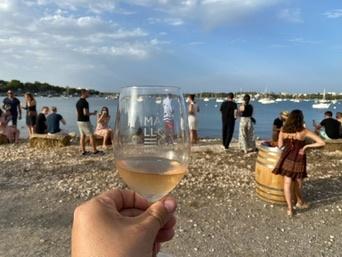
Cala Marçal
More Fotos