What is the history behind Palma’s Passeig des Born?
Similar Topics
passeig des born
palma promenade
palma history
sant sebastia festival
almaudaina palace
palma cathedral
ensaïmada
tramuntana events
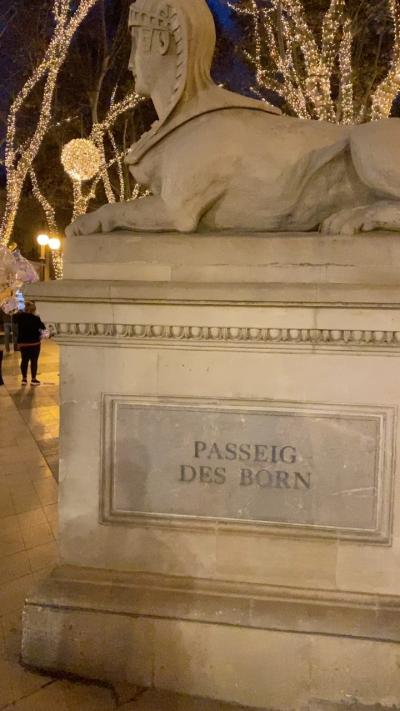
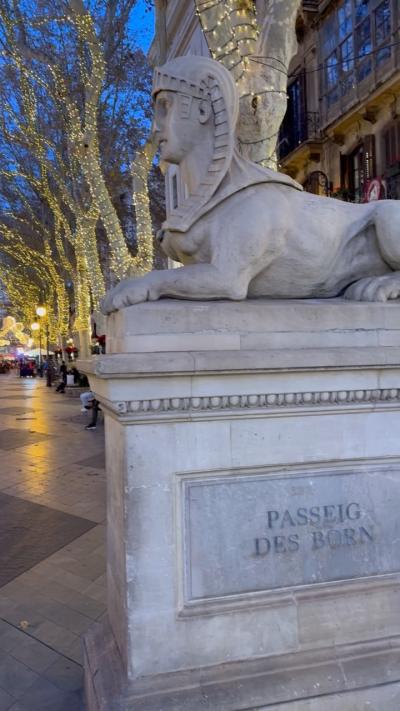
The wide, tree-lined Passeig des Born in Palma has been a central meeting place since long before it became the elegant promenade seen today. Originally, this avenue traced its roots to a medieval market space and ceremonial grounds just outside the old city walls. Its name, "Born," hints at a time when jousting tournaments were held here, a popular pastime during the 14th and 15th centuries, attracting residents from across the island. As Palma grew, so did the prominence of this wide boulevard, which gradually transformed into the social and commercial heart of the city.
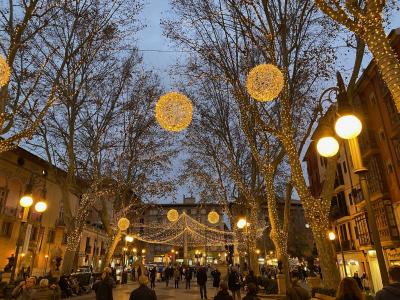
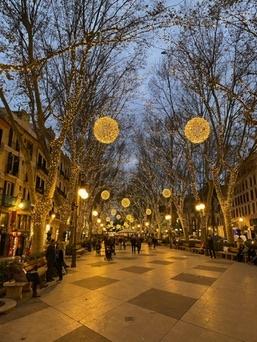
The Passeig des Born was redesigned in the 19th century with neatly arranged plane trees and stylish benches, inviting locals to promenade in refined leisure. It became synonymous with local festivities and civic celebrations, often filling with music and dancing during traditional events such as Sant Sebastià. The avenue is framed by impressive buildings and landmarks including the grand Teatro Principal and several historic cafés where you can enjoy a cortado or ensaïmada while watching the world go by.
Today, local artisans, boutiques, and artisans’ stalls reflect the area’s vibrant cultural life, while the nearby Palma Cathedral and Almudaina Palace remind visitors of the city’s layered history. Walking the Born offers a unique chance to feel Palma’s pulse—from medieval gatherings and royal pageantry to modern-day festivals and relaxed afternoon strolls under the dappled shade of centuries-old trees.
The Passeig des Born was redesigned in the 19th century with neatly arranged plane trees and stylish benches, inviting locals to promenade in refined leisure. It became synonymous with local festivities and civic celebrations, often filling with music and dancing during traditional events such as Sant Sebastià. The avenue is framed by impressive buildings and landmarks including the grand Teatro Principal and several historic cafés where you can enjoy a cortado or ensaïmada while watching the world go by.
Today, local artisans, boutiques, and artisans’ stalls reflect the area’s vibrant cultural life, while the nearby Palma Cathedral and Almudaina Palace remind visitors of the city’s layered history. Walking the Born offers a unique chance to feel Palma’s pulse—from medieval gatherings and royal pageantry to modern-day festivals and relaxed afternoon strolls under the dappled shade of centuries-old trees.
More Fotos