How has Palma's urban development shaped its historic and modern cityscape over the years?
Similar Topics
palma urban planning
historic center
soller railway
palma metro
green spaces palma
mixed-use districts
city expansion palma
urban sustainability
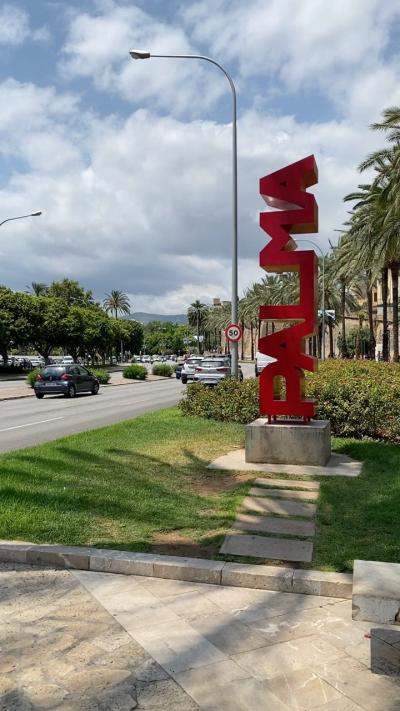
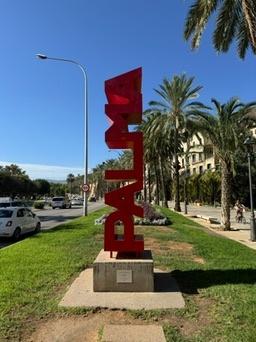
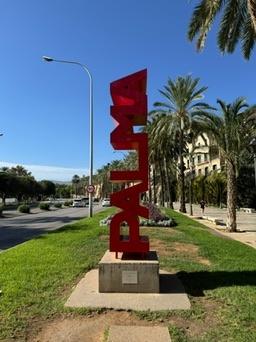
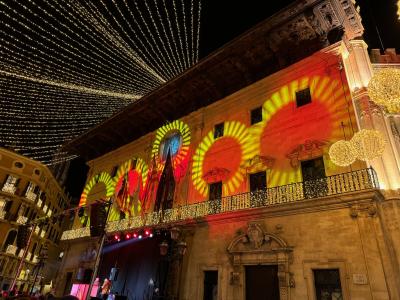
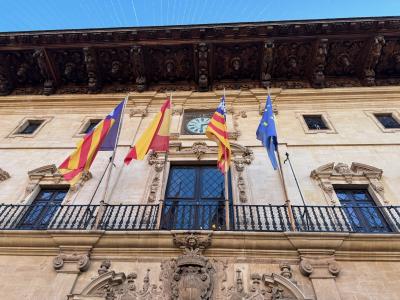
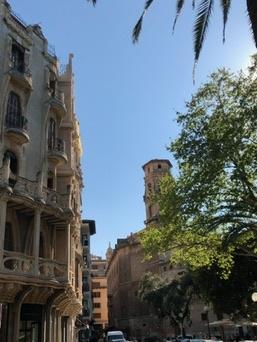
Palma’s evolution offers a fascinating glimpse into how a city balances preserving its medieval roots with ambitious modern growth. The old town remains anchored by narrow, winding streets that reveal Palma’s Moorish and Gothic heritage, while broader avenues like Avinguda Jaime III showcase 20th-century urban planning influences. Expansion during the 20th century pushed the city beyond its historic walls, introducing residential neighborhoods and commercial districts designed with wider roads and green spaces to accommodate a growing population and changing lifestyles.
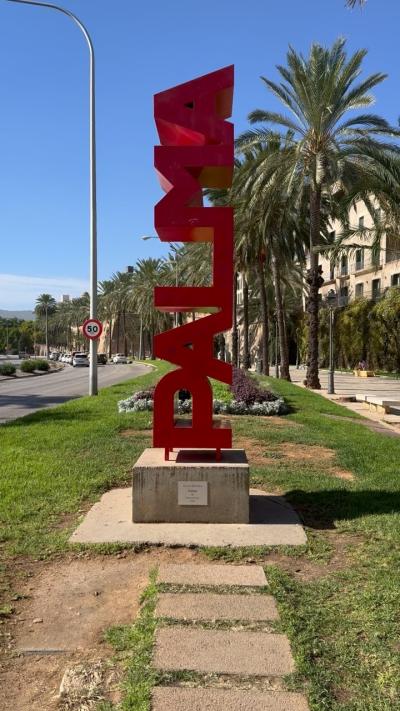
The arrival of modern transport, including the Palma metro and the historic Soller railway, further influenced urban growth by connecting the city center with outlying towns and rural areas. This improved accessibility helped spread development along transport corridors, promoting mixed-use areas where homes, shops, and offices coexist. Urban planners have also focused on integrating parks and recreational areas, such as Parc de la Mar near the cathedral and the recently enhanced seafront promenades, which help soften the cityscape and provide residents with ample green spaces.
More recent initiatives prioritize sustainability and walkability, encouraging cycling lanes and pedestrian-friendly zones to reduce congestion within Palma’s historic center. At the same time, the city respects its layered history, carefully restoring landmarks like Bellver Castle while accommodating contemporary needs. This blending of the old and the new creates a vibrant urban fabric where tradition meets modernity, reflecting Palma’s ongoing transformation shaped by both its past and future ambitions.
The arrival of modern transport, including the Palma metro and the historic Soller railway, further influenced urban growth by connecting the city center with outlying towns and rural areas. This improved accessibility helped spread development along transport corridors, promoting mixed-use areas where homes, shops, and offices coexist. Urban planners have also focused on integrating parks and recreational areas, such as Parc de la Mar near the cathedral and the recently enhanced seafront promenades, which help soften the cityscape and provide residents with ample green spaces.
More recent initiatives prioritize sustainability and walkability, encouraging cycling lanes and pedestrian-friendly zones to reduce congestion within Palma’s historic center. At the same time, the city respects its layered history, carefully restoring landmarks like Bellver Castle while accommodating contemporary needs. This blending of the old and the new creates a vibrant urban fabric where tradition meets modernity, reflecting Palma’s ongoing transformation shaped by both its past and future ambitions.
Palma
More Fotos