How has Mallorca's identity been shaped by its periods of independence and foreign rule?
Similar Topics
Mallorca history
Catalan culture
Mallorca tourism
Moorish architecture
Gothic cathedrals
Mallorca identity
Mallorca cuisine
ensaimada
historic towns
Mediterranean influences
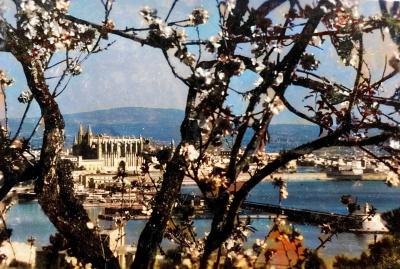
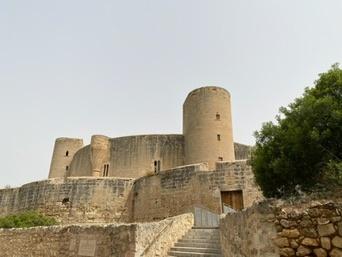
Mallorca's identity is a rich tapestry woven from its long history of independence and foreign rule, which has significantly shaped its culture, architecture, and traditions. The island has seen a variety of influences over the centuries, starting with the ancient Talaiotic civilization, followed by the Phoenicians, Romans, and Moors. Each of these cultures left an indelible mark on Mallorca, from the impressive stone structures and agricultural advancements introduced by the Romans to the intricate architectural styles and irrigation systems brought by the Moors. This blend of influences is evident in the island's stunning landscapes and historic towns, where you can wander through narrow, winding streets lined with Gothic cathedrals and Moorish-style buildings.
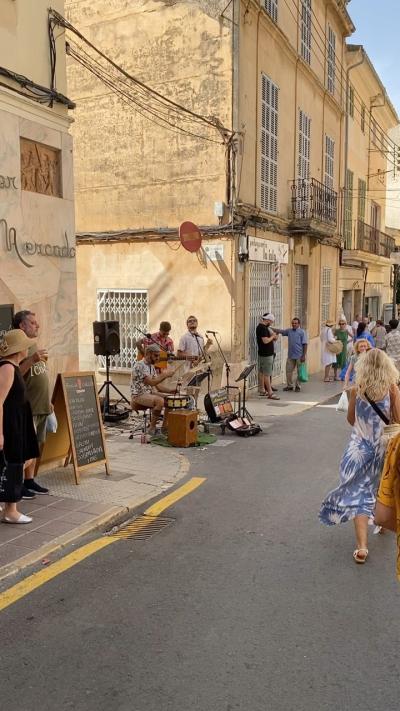
The periods of independence, particularly during the 13th century when James I of Aragon conquered Mallorca, also played a crucial role in shaping the island's identity. This era marked the beginning of a unique Catalan culture that still thrives today, as the island became an integral part of the Crown of Aragon. The resurgence of the Catalan language and traditions during the 20th century has reinforced a local identity that is distinct yet intertwined with the broader Catalan culture. Festivals, cuisine, and local customs reflect this vibrant heritage, celebrating everything from traditional folk music to the beloved dish of ensaimada.
In more recent decades, Mallorca has embraced its diverse identity, balancing its historical roots with modern influences. The island's economy has shifted significantly towards tourism, which has brought international diversity and new ideas while also posing challenges to its cultural preservation. Visitors to Mallorca can experience this dynamic interplay of past and present, from exploring ancient ruins and quaint villages to enjoying contemporary art and cuisine in bustling Palma. This blend of history and modernity makes Mallorca a fascinating destination where the echoes of its past continue to resonate in its vibrant present.

More Fotos



Related Questions
Related Question
Can I explore both Palma and the Serra de Tramuntana in a single day, or should I dedicate separate days to each?
Related Question
What time of year offers the most stunning views in Mallorca, especially from rental properties?
Related Question
What is the best time of year to hike from the Ermita La Victoria to the Mirador Penya Rotja?