How long does it typically take to hike popular trails in Mallorca's Serra de Tramuntana?
Similar Topics
serra de tramuntana
hiking times
soller to deia
puig de massanella
gr 221 trail
binissalem wine
ma-10 road
tib buses
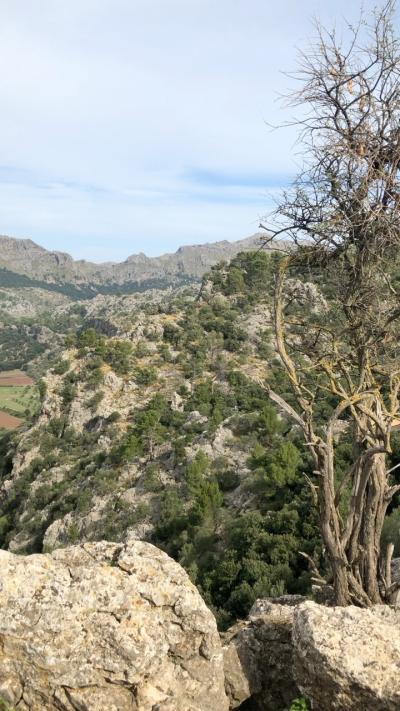
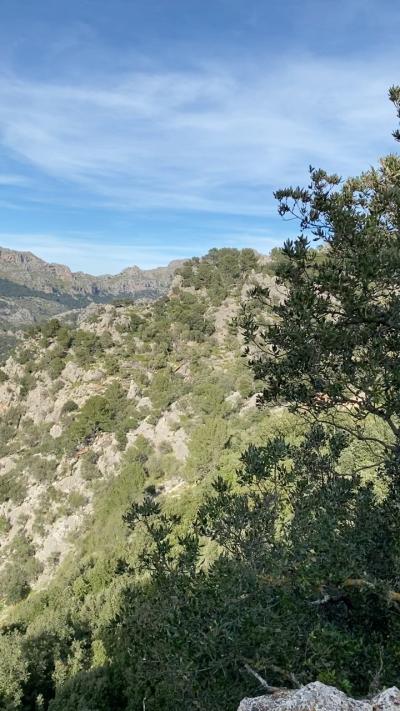
The Serra de Tramuntana mountain range, a UNESCO World Heritage site, has shaped the island's hiking culture for centuries, with ancient paths connecting remote villages and terraced farmland. Popular hikes here vary significantly in length and challenge, influencing how long a trek might take. For example, the scenic walk from Soller to the coastal village of Deia, following part of the GR 221 dry stone route, usually takes about four to five hours at a moderate pace, allowing time to admire the dramatic cliffs and olive groves.
Shorter trails, such as the route around the charming Valldemossa, which weaves through pine forests and historic sites, can be comfortably completed in two to three hours. On the more demanding side, hikes like the ascent to Puig de Massanella, the island's second highest peak, can take six hours or more, depending on your fitness and the chosen route. The mountainous terrain means elevation changes are common, so pacing yourself is essential.
Many trails offer natural resting points to enjoy local specialties like pa amb oli or a glass of Binissalem wine brought along, making breaks a delightful part of the experience. While the Ma-10 road allows access to trailheads, public transport options such as the TIB buses provide sustainable ways to reach popular starts without a car. Planning according to your ability, weather, and trail conditions, especially along cliffside paths near Formentor or Cala Mondrago, ensures a rewarding day on foot in these historic landscapes.
Shorter trails, such as the route around the charming Valldemossa, which weaves through pine forests and historic sites, can be comfortably completed in two to three hours. On the more demanding side, hikes like the ascent to Puig de Massanella, the island's second highest peak, can take six hours or more, depending on your fitness and the chosen route. The mountainous terrain means elevation changes are common, so pacing yourself is essential.
Many trails offer natural resting points to enjoy local specialties like pa amb oli or a glass of Binissalem wine brought along, making breaks a delightful part of the experience. While the Ma-10 road allows access to trailheads, public transport options such as the TIB buses provide sustainable ways to reach popular starts without a car. Planning according to your ability, weather, and trail conditions, especially along cliffside paths near Formentor or Cala Mondrago, ensures a rewarding day on foot in these historic landscapes.

Sa Calobra
More Fotos