What was the original purpose of the buildings at Sa Trapa?
Similar Topics
Sa Trapa
Mallorca
Trappist monastery
19th century history
spiritual retreat
hiking destination
Mediterranean Sea
natural landscapes
monastic life
cultural heritage
Sa Trapa, located on the beautiful island of Mallorca, originally served as a Trappist monastery in the 19th century. Founded in 1810 by monks seeking solitude and a peaceful environment for their contemplative lifestyle, the monastery was built amidst the stunning natural landscapes of the area. The Trappist order, known for its strict adherence to silence and prayer, aimed to create a space that fostered spiritual growth and connection with nature. The monks not only lived a life of prayer but also engaged in agricultural practices, cultivating the land around the monastery, which contributed to their self-sufficiency.
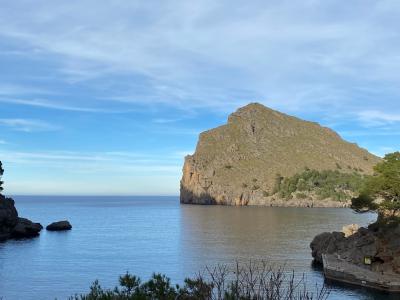
As you explore the remnants of Sa Trapa today, you can sense the tranquility that once enveloped the site. The buildings, although now in ruins, still reflect the architectural simplicity and functionality favored by the Trappist monks. Walking through the area, you can appreciate the beautiful views of the surrounding cliffs and the Mediterranean Sea, which likely provided inspiration and solace to the monks during their years of devotion. Today, Sa Trapa stands as a reminder of this unique history, attracting visitors who are drawn to both its spiritual significance and its breathtaking natural beauty. The site has become a popular hiking destination, allowing visitors to immerse themselves in the serene atmosphere that once characterized the lives of the monks.
As you explore the remnants of Sa Trapa today, you can sense the tranquility that once enveloped the site. The buildings, although now in ruins, still reflect the architectural simplicity and functionality favored by the Trappist monks. Walking through the area, you can appreciate the beautiful views of the surrounding cliffs and the Mediterranean Sea, which likely provided inspiration and solace to the monks during their years of devotion. Today, Sa Trapa stands as a reminder of this unique history, attracting visitors who are drawn to both its spiritual significance and its breathtaking natural beauty. The site has become a popular hiking destination, allowing visitors to immerse themselves in the serene atmosphere that once characterized the lives of the monks.

Colònia de Sant Jordi
More Fotos