Is it practical to rely on my phone for navigation while exploring Mallorca without facing roaming charges?
Similar Topics
phone navigation
offline maps
gps
roaming charges
tib bus
söller railway
ma-10 road
palma wifi
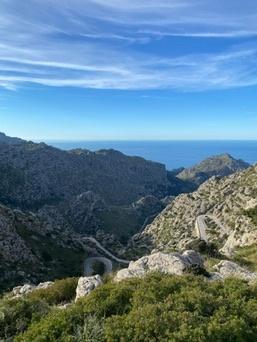
A subtle but useful detail on the island is that many towns and popular spots, like Palma and Sóller, have areas where mobile signals can dip, especially in the Tramuntana mountains or along some secluded coves like Cala Mondragó. To avoid unexpected roaming costs, it’s wise to download offline maps via apps like Google Maps or Maps.me before setting off. These allow you to navigate the winding Ma-10 and Ma-13 roads without a data connection, which can be patchy in rural or mountainous regions.
Public Wi-Fi is common in Palma’s cafés, some markets, and well-frequented beaches such as Es Trenc, offering occasional opportunities to sync maps or check updated routes. The island’s comprehensive TIB bus network and the historic Sóller railway also have their timetables available for offline use, helpful if you plan to explore without cellular data. Remember, using GPS itself doesn’t incur charges, but downloading map data does, so preparation is key.
If you’re venturing beyond the main towns to quieter spots like Valldemossa or Deia, offline access ensures you won’t get disoriented amid narrow lanes or when hiking in the Serra de Tramuntana. Since navigation apps can drain your phone battery faster than usual on long walks or drives, carrying a portable charger is a practical precaution to keep you on the right track throughout your day.
Public Wi-Fi is common in Palma’s cafés, some markets, and well-frequented beaches such as Es Trenc, offering occasional opportunities to sync maps or check updated routes. The island’s comprehensive TIB bus network and the historic Sóller railway also have their timetables available for offline use, helpful if you plan to explore without cellular data. Remember, using GPS itself doesn’t incur charges, but downloading map data does, so preparation is key.
If you’re venturing beyond the main towns to quieter spots like Valldemossa or Deia, offline access ensures you won’t get disoriented amid narrow lanes or when hiking in the Serra de Tramuntana. Since navigation apps can drain your phone battery faster than usual on long walks or drives, carrying a portable charger is a practical precaution to keep you on the right track throughout your day.
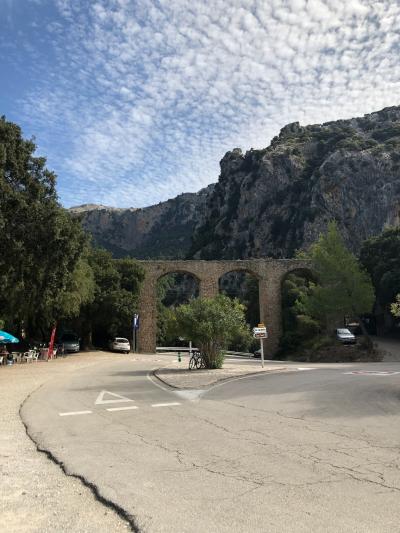
Sa Calobra
More Fotos