What unique local foods should I try while visiting Mallorca?
Similar Topics
pa amb oli
sobrassada
ensaimada
binissalem wine
hierbas liqueur
palo amaro
tumbet dish
mallorca markets
Many visitors arrive expecting Mallorca to offer only typical Mediterranean fare, but the island’s culinary heritage runs much deeper. Here, traditional dishes and artisanal products reflect centuries of local farming and island culture. A favorite is pa amb oli, a simple yet satisfying combination of rustic bread rubbed with tomato and drizzled with olive oil, often accompanied by slices of sobrassada, a soft, spiced cured sausage that is uniquely Mallorcan and hard to find elsewhere. These flavors are true staples throughout towns like Palma, Sóller, and Pollença.
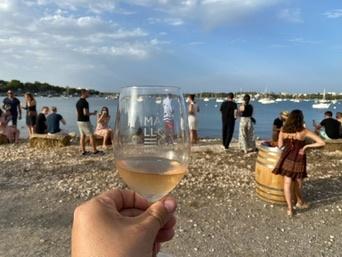
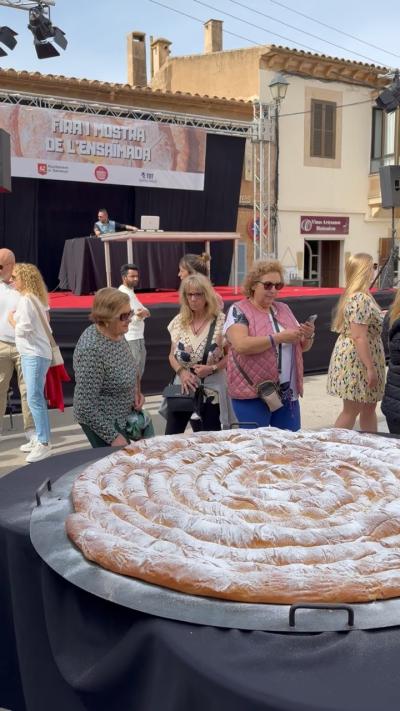
Fresh produce plays an essential role too; from tender tomatoes in local markets to the vibrant tumbet—a vegetable casserole that captures the island’s summer harvest. For something sweet, try an ensaimada, a flaky, spiral pastry dusted with sugar that is a must-have in Valldemossa or Manacor bakeries. The region’s winemaking tradition, especially in the Binissalem area, complements these dishes perfectly, with local reds and whites offering a taste of the island’s terroir.
Beyond food, traditional drinks such as Hierbas, a fragrant herbal liqueur, and Palo, a bittersweet amaro made from local herbs and wood, highlight Mallorca’s spirited side. Sampling these alongside regional festivals like Sant Sebastià in Palma or the Festa de l’Ametler in almond-blossom season builds a true connection to the island’s heart. Whether dining seaside at Es Trenc or tucked into a mountain village like Deià, these specialty foods reveal a rich cultural tapestry worth exploring.
Fresh produce plays an essential role too; from tender tomatoes in local markets to the vibrant tumbet—a vegetable casserole that captures the island’s summer harvest. For something sweet, try an ensaimada, a flaky, spiral pastry dusted with sugar that is a must-have in Valldemossa or Manacor bakeries. The region’s winemaking tradition, especially in the Binissalem area, complements these dishes perfectly, with local reds and whites offering a taste of the island’s terroir.
Beyond food, traditional drinks such as Hierbas, a fragrant herbal liqueur, and Palo, a bittersweet amaro made from local herbs and wood, highlight Mallorca’s spirited side. Sampling these alongside regional festivals like Sant Sebastià in Palma or the Festa de l’Ametler in almond-blossom season builds a true connection to the island’s heart. Whether dining seaside at Es Trenc or tucked into a mountain village like Deià, these specialty foods reveal a rich cultural tapestry worth exploring.
More Fotos