What makes Mallorcan olives distinct in flavor?
Similar Topics
Mallorcan olives
olive oil
Arbequina olive
Mediterranean climate
traditional cultivation methods
flavor profile
hand-picking olives
natural fermentation
Mallorca cuisine
tapas
Mallorcan olives are celebrated for their unique and robust flavor profile, which is shaped by a combination of the island's climate, soil, and traditional cultivation methods. The Mediterranean climate, characterized by hot, dry summers and mild, wet winters, provides optimal growing conditions for olive trees, allowing them to thrive and develop rich flavors. The diverse soil types across Mallorca, from limestone to clay, contribute different mineral characteristics that further enhance the taste of the olives.
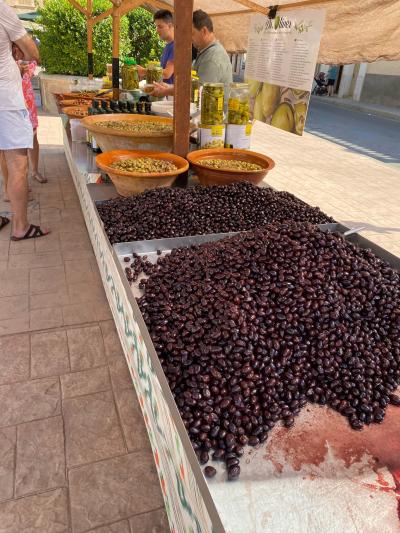
One of the most notable varieties is the Arbequina olive, known for its smooth texture and mild, slightly fruity flavor. This variety is often used to produce high-quality olive oil that captures the essence of the island. Additionally, the Mallorcan olive is often harvested at different stages of ripeness, which can result in a delightful range of flavors from grassy and peppery to more mature, nutty notes. The traditional methods of hand-picking olives and using natural fermentation processes also play a significant role in preserving their distinctive taste.
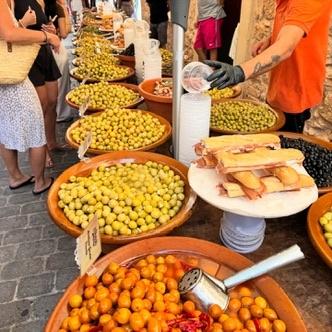
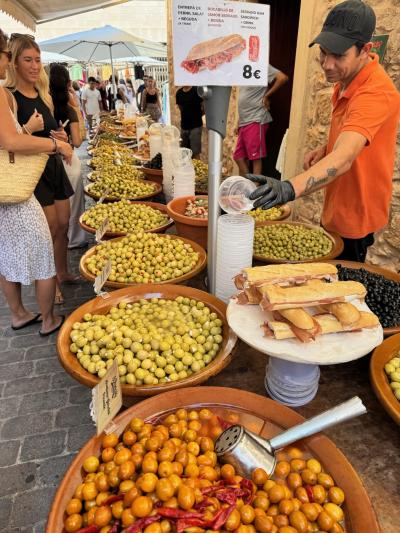
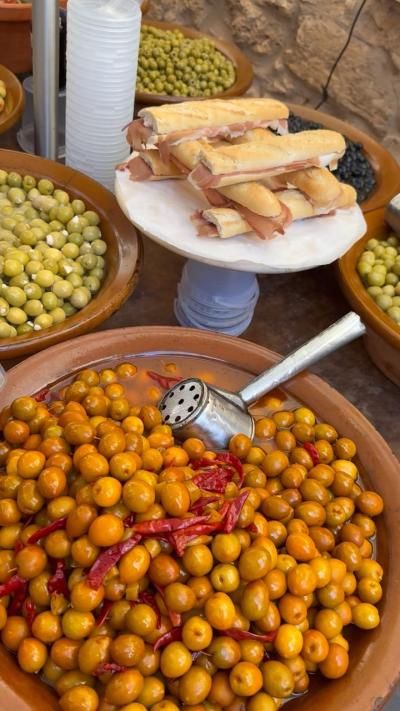
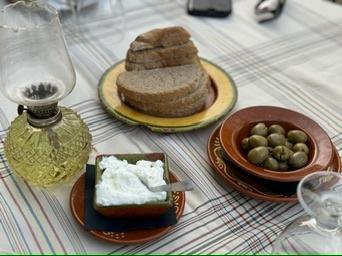
Moreover, the local heritage and artisanal practices have been passed down through generations, ensuring that the olives maintain their authenticity and connection to the land. You’ll often find olives served as part of traditional Mallorcan dishes or as a delightful tapa, showcasing their versatility and their importance in the region's culinary landscape. Enjoying these olives while sipping on a glass of local wine or olive oil adds an extra layer to the experience, allowing you to truly savor the flavors of Mallorca.
One of the most notable varieties is the Arbequina olive, known for its smooth texture and mild, slightly fruity flavor. This variety is often used to produce high-quality olive oil that captures the essence of the island. Additionally, the Mallorcan olive is often harvested at different stages of ripeness, which can result in a delightful range of flavors from grassy and peppery to more mature, nutty notes. The traditional methods of hand-picking olives and using natural fermentation processes also play a significant role in preserving their distinctive taste.
Moreover, the local heritage and artisanal practices have been passed down through generations, ensuring that the olives maintain their authenticity and connection to the land. You’ll often find olives served as part of traditional Mallorcan dishes or as a delightful tapa, showcasing their versatility and their importance in the region's culinary landscape. Enjoying these olives while sipping on a glass of local wine or olive oil adds an extra layer to the experience, allowing you to truly savor the flavors of Mallorca.
Campos
More Fotos