What kind of wildlife can I see while hiking in the Serra de Tramuntana?
Similar Topics
serra de tramuntana
wildlife hiking
griffon vultures
mallorcan midwife toad
balearic warbler
ocellated lizard
trails near soller
tramuntana nature
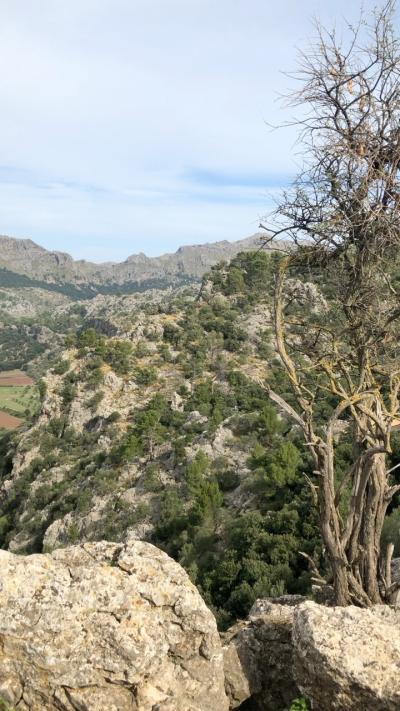
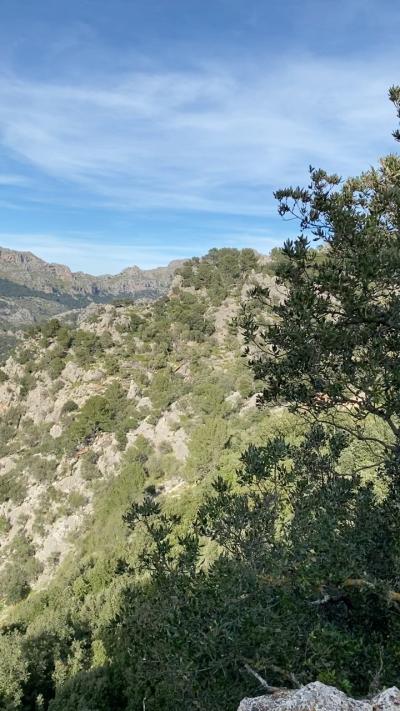
Early mornings along the winding trails of the Serra de Tramuntana offer the best chance to spot the island’s more elusive residents. As dawn breaks over the steep cliffs near Valldemossa or Deià, you might hear the distinctive calls of Balearic warblers flitting through the pines, or catch sight of griffon vultures soaring high above the dramatic ridges. These impressive raptors are a common sight in the Tramuntana skies, effortlessly riding thermal currents.
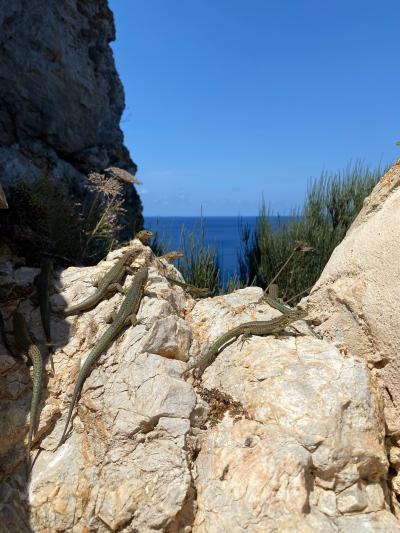
Closer to the ground, hikers often encounter the endemic Mallorcan midwife toad near forested streams or the occasional mountain goat navigating rocky outcrops. In spring, wildflowers paint the landscape, attracting butterflies and bees that give a buzz of life along the Ma-10 route. Small reptiles like the ocellated lizard can sometimes be spotted sunning themselves on warm stones.
The quieter side paths around Soller and Fornalutx may reveal the flutter of woodpeckers or the rustle of rabbits through underbrush. In fields closer to towns such as Pollença, olive groves provide habitat for owls and kestrels that become more active as the sun sets. Whether you’re ambling along historic mule tracks or climbing higher for panoramic views, the varied habitats of the Tramuntana support a rich diversity of wildlife that brings the island’s natural heritage to life.
Closer to the ground, hikers often encounter the endemic Mallorcan midwife toad near forested streams or the occasional mountain goat navigating rocky outcrops. In spring, wildflowers paint the landscape, attracting butterflies and bees that give a buzz of life along the Ma-10 route. Small reptiles like the ocellated lizard can sometimes be spotted sunning themselves on warm stones.
The quieter side paths around Soller and Fornalutx may reveal the flutter of woodpeckers or the rustle of rabbits through underbrush. In fields closer to towns such as Pollença, olive groves provide habitat for owls and kestrels that become more active as the sun sets. Whether you’re ambling along historic mule tracks or climbing higher for panoramic views, the varied habitats of the Tramuntana support a rich diversity of wildlife that brings the island’s natural heritage to life.

Sa Calobra
More Fotos