How has the Arab architectural style shaped the overall aesthetic of Palma?
Similar Topics
Arab architectural style
Palma architecture
Moorish influence
Balearic Islands history
Arab Baths Palma
geometric patterns
arched doorways
Mediterranean aesthetics
historic district Palma
cultural tourism
The Arab architectural style has significantly influenced the aesthetic of Palma, creating a unique blend of cultures that is evident throughout the city. This influence dates back to the 10th century when the Moors ruled the Balearic Islands, leaving a lasting imprint on the local architecture. One of the most notable examples is the use of intricate tile work and geometric patterns, which can be seen adorning many buildings. The warm colors of the local stone, combined with the vibrant hues of these tiles, create a picturesque scene that reflects the beauty of the Mediterranean.
Another characteristic feature of Arab architecture in Palma is the presence of arched doorways and windows, which enhance the fluidity and charm of the city’s streets. These arches not only serve a practical purpose by allowing for better airflow and light but also add a sense of elegance to the structures. The layout of the historic district, with its narrow, winding streets and peaceful courtyards, often draws on traditional Arab design, creating intimate spaces that invite exploration. This architectural style has been harmoniously integrated with later Gothic and Renaissance influences, resulting in a rich tapestry of history that can be experienced while strolling through the city.
Palma's Arab Baths, or "Banys Àrabs," provide a fascinating glimpse into this heritage. These well-preserved remnants of Moorish culture feature beautifully crafted arches and serene gardens, offering visitors a tranquil escape from the bustling city life. The interplay of light and shadow in these spaces is a testament to the thoughtful design typical of Arab architecture. Overall, the fusion of Arab architectural elements with other styles has shaped Palma into a vibrant and visually striking destination, making it a fascinating place for travelers interested in history and culture.
Another characteristic feature of Arab architecture in Palma is the presence of arched doorways and windows, which enhance the fluidity and charm of the city’s streets. These arches not only serve a practical purpose by allowing for better airflow and light but also add a sense of elegance to the structures. The layout of the historic district, with its narrow, winding streets and peaceful courtyards, often draws on traditional Arab design, creating intimate spaces that invite exploration. This architectural style has been harmoniously integrated with later Gothic and Renaissance influences, resulting in a rich tapestry of history that can be experienced while strolling through the city.
Palma's Arab Baths, or "Banys Àrabs," provide a fascinating glimpse into this heritage. These well-preserved remnants of Moorish culture feature beautifully crafted arches and serene gardens, offering visitors a tranquil escape from the bustling city life. The interplay of light and shadow in these spaces is a testament to the thoughtful design typical of Arab architecture. Overall, the fusion of Arab architectural elements with other styles has shaped Palma into a vibrant and visually striking destination, making it a fascinating place for travelers interested in history and culture.
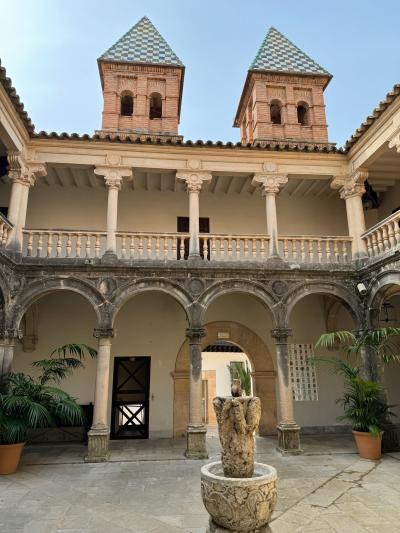
Palma
More Fotos


Related Questions
Related Question
Are there age restrictions for children on guided tours around Mallorca’s sights?
Related Question
When is the best time to visit popular restaurants in Palma and other towns to avoid crowds?
Related Question
What souvenirs do locals consider authentic or representative of Mallorca?