How did the Muslim presence influence Mallorca before the reconquest?
Similar Topics
Mallorca history
Moorish influence
Mallorca architecture
agriculture in Mallorca
cultural heritage Mallorca
Islamic art Mallorca
Palma old town
reconquest of Mallorca
intellectual exchange Mediterranean
Mallorca travel
The Muslim presence in Mallorca significantly shaped the island's culture, architecture, and agricultural practices before the Reconquest in the 13th century. When the Moors arrived in 902 AD, they brought with them advanced knowledge in various fields, including agriculture, irrigation, and architecture. The introduction of sophisticated farming techniques transformed Mallorca's landscape, allowing for the cultivation of new crops such as citrus fruits, olives, and almond trees, which became staples in the local economy. This agricultural boom not only enriched the island's biodiversity but also laid the groundwork for its future prosperity.
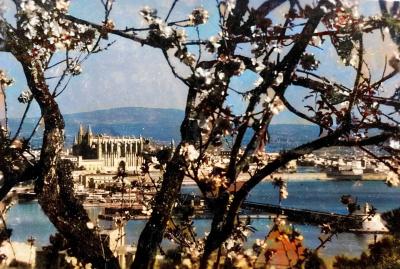
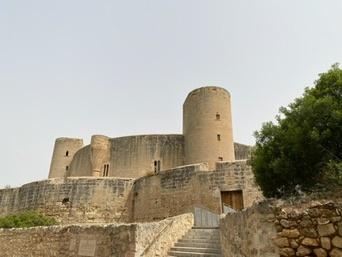
Moreover, the Muslim influence is evident in Mallorca's architecture, particularly in the old town of Palma. The remnants of Moorish architecture can still be seen today, with intricate designs, arched doorways, and narrow, winding streets that reflect the island's vibrant history. The construction of fortifications, like the Almudaina Palace, showcased their military prowess, while the use of innovative water management systems, such as cisterns and aqueducts, highlighted their advanced engineering skills. The blending of Islamic art and local traditions created a unique cultural tapestry that can still be appreciated in the island’s art and festivals.
The coexistence of different cultures during this period also fostered a rich intellectual environment. Scholars and artisans from the Muslim world contributed to a flourishing of knowledge in fields such as astronomy, medicine, and philosophy, influencing not just Mallorca but the wider Mediterranean region. This intellectual exchange laid the foundation for the cultural renaissance that would follow the Reconquest, as the island transitioned into a new era while still holding onto the rich legacies of its diverse past. Visitors to Mallorca today can immerse themselves in this fascinating history by exploring the remnants of its Moorish heritage, which continue to influence the island's identity and charm.
Moreover, the Muslim influence is evident in Mallorca's architecture, particularly in the old town of Palma. The remnants of Moorish architecture can still be seen today, with intricate designs, arched doorways, and narrow, winding streets that reflect the island's vibrant history. The construction of fortifications, like the Almudaina Palace, showcased their military prowess, while the use of innovative water management systems, such as cisterns and aqueducts, highlighted their advanced engineering skills. The blending of Islamic art and local traditions created a unique cultural tapestry that can still be appreciated in the island’s art and festivals.
The coexistence of different cultures during this period also fostered a rich intellectual environment. Scholars and artisans from the Muslim world contributed to a flourishing of knowledge in fields such as astronomy, medicine, and philosophy, influencing not just Mallorca but the wider Mediterranean region. This intellectual exchange laid the foundation for the cultural renaissance that would follow the Reconquest, as the island transitioned into a new era while still holding onto the rich legacies of its diverse past. Visitors to Mallorca today can immerse themselves in this fascinating history by exploring the remnants of its Moorish heritage, which continue to influence the island's identity and charm.

More Fotos



Related Questions
Related Question
Are there any special events or exhibits happening at Dinosaurland during my visit?
Related Question
Where can I experience traditional Mallorcan music performances during my visit?
Related Question
What interesting stops should I visit when driving along the Ma-10 through the Serra de Tramuntana?