How do locals cultivate and care for carob trees on the island?
Similar Topics
carob trees
Mediterranean climate
organic fertilizers
drought-resistant trees
sustainable agriculture
local dishes
community traditions
agricultural practices
harvesting season
island heritage
Locals on the island take great pride in cultivating and caring for carob trees, a staple of their agricultural landscape. These trees thrive in the Mediterranean climate, with its warm, dry summers and mild, wet winters, making them well-suited for the region's soil and weather conditions. Farmers typically plant carob trees in well-drained, sandy soils, as the trees are quite resilient and can adapt to less fertile ground. The cultivation process begins with selecting high-quality seeds, which are often gathered from mature trees. Planting usually occurs in the spring, and it is common for locals to use organic fertilizers to promote healthy growth without compromising the environment.
Once established, carob trees require minimal maintenance, a trait that endears them to many islanders. Watering is less frequent once the trees are mature, as they are drought-resistant. Locals often prune the trees to encourage better air circulation and sunlight penetration, which helps in producing quality pods. During the harvesting season, typically in late summer to early fall, the trees yield an abundance of sweet, brown pods. Families often come together to collect these pods, creating a sense of community and shared tradition.
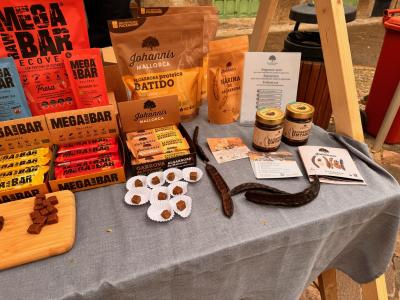
In addition to their agricultural practices, locals also emphasize the importance of sustainable methods when caring for carob trees. Many islanders engage in practices that preserve the natural ecosystem, ensuring that the trees continue to thrive for future generations. The pods, rich in nutrients and naturally sweet, are used in a variety of local dishes, from desserts to savory meals, showcasing the versatility of this beloved tree. Carob has become more than just a crop; it represents a connection to the island's heritage and a commitment to sustainable living that is cherished by the community.
Once established, carob trees require minimal maintenance, a trait that endears them to many islanders. Watering is less frequent once the trees are mature, as they are drought-resistant. Locals often prune the trees to encourage better air circulation and sunlight penetration, which helps in producing quality pods. During the harvesting season, typically in late summer to early fall, the trees yield an abundance of sweet, brown pods. Families often come together to collect these pods, creating a sense of community and shared tradition.
In addition to their agricultural practices, locals also emphasize the importance of sustainable methods when caring for carob trees. Many islanders engage in practices that preserve the natural ecosystem, ensuring that the trees continue to thrive for future generations. The pods, rich in nutrients and naturally sweet, are used in a variety of local dishes, from desserts to savory meals, showcasing the versatility of this beloved tree. Carob has become more than just a crop; it represents a connection to the island's heritage and a commitment to sustainable living that is cherished by the community.
Porreres
More Fotos