How do dining experiences differ when traveling the coast versus the interior of Mallorca?
Similar Topics
mallorca dining
coastal restaurants
inland cuisine
serra de tramuntana
pa amb oli
sobrassada
binissalem wine
ma-19 road
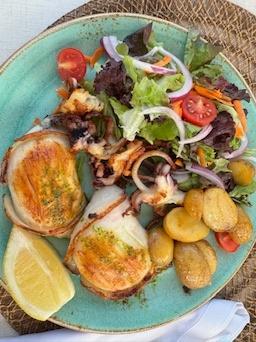
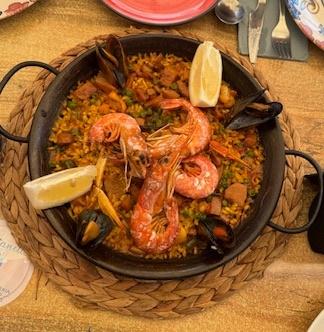
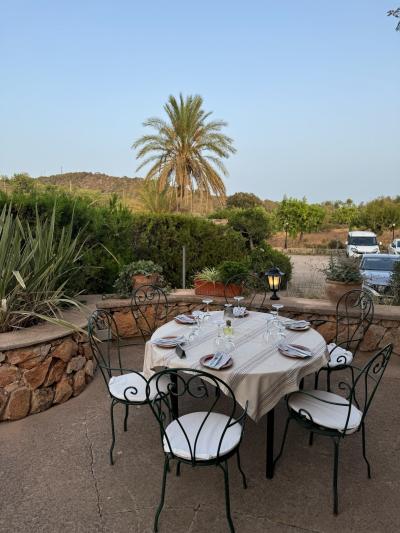
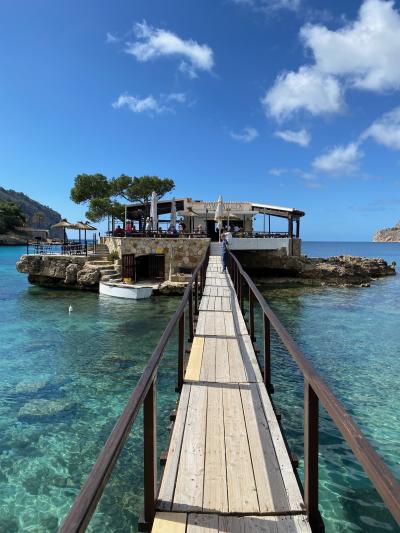
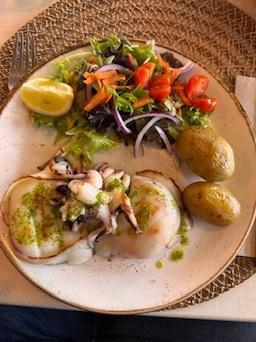
Visitors often expect dining on the coast to be purely about seafood, but here the culinary scene is richer and more varied than that first impression suggests. Along the coastal roads like the Ma-19 near Cala Mondrago or Es Trenc, fresh fish and shellfish are unavoidable highlights. Restaurants often serve guests al fresco with views of the shimmering Mediterranean, where dishes such as grilled lubina or arroz brut carry the flavors of the sea paired with local white wines from Binissalem. Beachside chiringuitos might offer a more casual approach, with simple plates like pa amb oli topped with sobrassada, giving a taste of local charcuterie alongside the sea breeze.
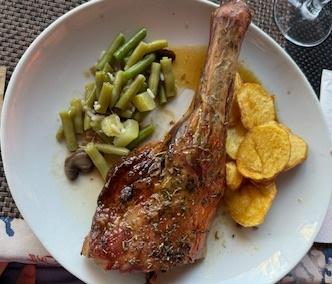
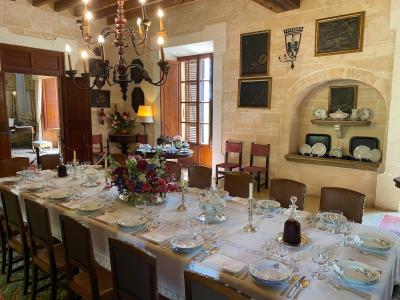
Inland, the experience takes on a grounded, earthy character. Traveling through towns like Soller or Valldemossa, you'll discover menus that emphasize the island’s agricultural heritage. Hearty staples such as tumbet, made from local vegetables stewed and layered like a ratatouille, or slow-roasted lamb embody the flavors of the Serra de Tramuntana region. Small family-run cafes serve ensaimadas for dessert and pour Palo or Hierbas to finish a meal. The quieter setting allows for leisurely meals where the ingredients' provenance in the fertile interior fields feels tangible, and you might find yourself sitting beside vineyards or almond groves if your route leads near the Festa de l'Ametler in February.
Both the coast and the countryside present distinctly Mallorcan dining stories—one seaside and fresh, the other rural and robust. The island's well-connected TIB bus network and scenic drives along the Ma-10 and Ma-13 roads make exploring both a delicious possibility. Whether eating tapas in Palma’s old town or sampling local wines at a family finca near Pollenca, each bite carries a sense of place that enhances the journey.
Inland, the experience takes on a grounded, earthy character. Traveling through towns like Soller or Valldemossa, you'll discover menus that emphasize the island’s agricultural heritage. Hearty staples such as tumbet, made from local vegetables stewed and layered like a ratatouille, or slow-roasted lamb embody the flavors of the Serra de Tramuntana region. Small family-run cafes serve ensaimadas for dessert and pour Palo or Hierbas to finish a meal. The quieter setting allows for leisurely meals where the ingredients' provenance in the fertile interior fields feels tangible, and you might find yourself sitting beside vineyards or almond groves if your route leads near the Festa de l'Ametler in February.
Both the coast and the countryside present distinctly Mallorcan dining stories—one seaside and fresh, the other rural and robust. The island's well-connected TIB bus network and scenic drives along the Ma-10 and Ma-13 roads make exploring both a delicious possibility. Whether eating tapas in Palma’s old town or sampling local wines at a family finca near Pollenca, each bite carries a sense of place that enhances the journey.
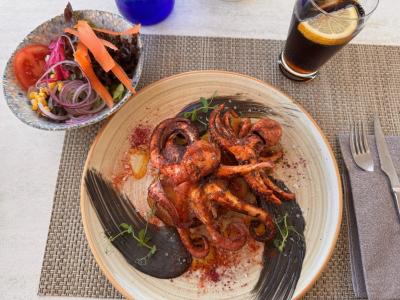
Cala Figuera
More Fotos