How do communities on the island manage the impact of processionary caterpillars during their active season?
Similar Topics
processionary caterpillars
tramuntana
pet safety
biological control
local awareness
pine forests
pollenca
valldemossa
Along the Serra de Tramuntana and other wooded parts of the island, locals approach the processionary caterpillar season with a mix of caution and proactive care. In rural villages like Valldemossa and Soller, residents are well aware of the risks these caterpillars pose, particularly because their hairs can cause irritation or allergic reactions in both people and pets.
Community efforts often focus on awareness and education, especially in towns where pine forests provide ideal habitats for these insects. Local councils sometimes collaborate with environmental groups to inform residents about the caterpillars’ life cycle and highlight areas that should be avoided during peak periods. Pet owners in places like Pollenca or Alcudia remain vigilant, knowing that dogs and cats are especially vulnerable if they come into contact with the caterpillars.
Environmental sensitivity is paramount, so pest control methods tend to be non-invasive. Instead of chemical pesticides, authorities favor biological approaches or manual removal of nests when necessary. Volunteers often help monitor known hotspots along the Ma-10 or Ma-13 roads, helping reduce caterpillar populations while ensuring minimal disruption to the local ecosystem. This balance between protecting health and respecting nature allows island communities to enjoy outdoor activities, from hiking around Formentor to beach days at Cala Mondrago, even when the processionary caterpillars are present.
Community efforts often focus on awareness and education, especially in towns where pine forests provide ideal habitats for these insects. Local councils sometimes collaborate with environmental groups to inform residents about the caterpillars’ life cycle and highlight areas that should be avoided during peak periods. Pet owners in places like Pollenca or Alcudia remain vigilant, knowing that dogs and cats are especially vulnerable if they come into contact with the caterpillars.
Environmental sensitivity is paramount, so pest control methods tend to be non-invasive. Instead of chemical pesticides, authorities favor biological approaches or manual removal of nests when necessary. Volunteers often help monitor known hotspots along the Ma-10 or Ma-13 roads, helping reduce caterpillar populations while ensuring minimal disruption to the local ecosystem. This balance between protecting health and respecting nature allows island communities to enjoy outdoor activities, from hiking around Formentor to beach days at Cala Mondrago, even when the processionary caterpillars are present.
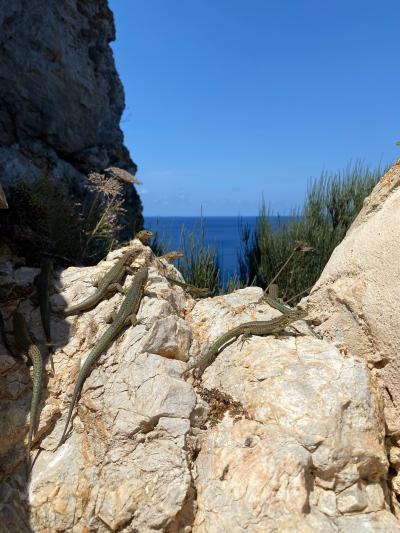
Sant Elm
More Fotos