When is the best time of day to take photos at viewpoints around the Serra de Tramuntana?
Similar Topics
tramuntana photography
golden hour tramuntana
sunrise tramuntana
sunset formentor
cala mondrago photos
ma-10 road views
valldemossa photography tips
tramuntana lighting
Light changes dramatically throughout the day in the Tramuntana mountains and along the island’s coast, influencing the mood of your photographs. Early morning, just after sunrise, offers a soft, golden glow that gently illuminates towns like Sóller or Deià, while casting long shadows that reveal the rugged contours of the Serra de Tramuntana. At this time, the Ma-10 road winding through the hills is often peaceful and mist may linger, adding atmosphere to shots of terraced fields and olive groves.
Midday light tends to be harsher and flatter, washing out details and colors, especially on exposed rock faces and the dazzlingly white façades of villages. However, if you photograph shaded spots or highlight close-up details such as the textured walls of Valldemossa or the vibrant tiled roofs of Palma’s old quarter, this strong light can still work effectively. Late afternoon and the golden hour before sunset are arguably the best times for dramatic, warm lighting that enriches the deep blue of the Mediterranean around beaches like Cala Mondragó or Formentor. Watch as the sun dips behind the mountains, turning the sky rich with oranges and purples, perfect for long-exposure shots or panoramic views.
Clouds can enhance sunset photos enormously by catching and reflecting color, so keep an eye on weather patterns. Popular viewpoints like the Castell de Capdepera or the lighthouse at Cap Formentor become magical at dusk. Early mornings also give the chance to capture tranquil scenes undisturbed by crowds, while evenings often serve up vibrant skies backed by silhouettes of pine trees and terraced hillsides. Being aware of these subtle shifts in light will help you capture the beauty of the Tramuntana and the island’s coastline at their most photogenic moments.
Midday light tends to be harsher and flatter, washing out details and colors, especially on exposed rock faces and the dazzlingly white façades of villages. However, if you photograph shaded spots or highlight close-up details such as the textured walls of Valldemossa or the vibrant tiled roofs of Palma’s old quarter, this strong light can still work effectively. Late afternoon and the golden hour before sunset are arguably the best times for dramatic, warm lighting that enriches the deep blue of the Mediterranean around beaches like Cala Mondragó or Formentor. Watch as the sun dips behind the mountains, turning the sky rich with oranges and purples, perfect for long-exposure shots or panoramic views.
Clouds can enhance sunset photos enormously by catching and reflecting color, so keep an eye on weather patterns. Popular viewpoints like the Castell de Capdepera or the lighthouse at Cap Formentor become magical at dusk. Early mornings also give the chance to capture tranquil scenes undisturbed by crowds, while evenings often serve up vibrant skies backed by silhouettes of pine trees and terraced hillsides. Being aware of these subtle shifts in light will help you capture the beauty of the Tramuntana and the island’s coastline at their most photogenic moments.
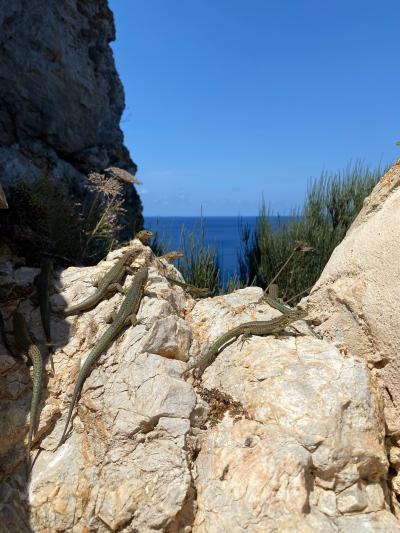
Sant Elm
More Fotos