What sustainable practices do hotels on the island follow to reduce their environmental impact?
Similar Topics
sustainable hotels
energy saving
solar power mallorca
water conservation
low flow fixtures
plastic alternatives
local food mallorca
waste management
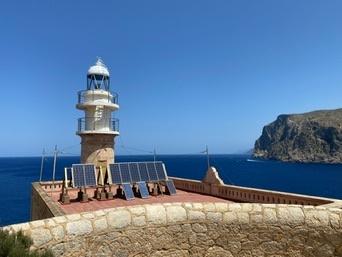
Hotels here often balance the needs of visitors with the delicate beauty of the island’s landscapes, whether nestled in the Tramuntana mountains or close to beaches like Es Trenc and Cala Mondrago. Many properties incorporate energy-saving technologies such as LED lighting and smart climate controls that adjust heating and cooling to occupancy, particularly important during Mallorca’s hot summers. Solar panels are visible on some estates, harnessing abundant sunlight to reduce reliance on the grid and showcase renewable energy in action.
Water efficiency is another priority, especially given the Mediterranean’s dry climate. You'll find low-flow taps and showers throughout many hotels, along with laundry practices that minimize water use. Some even collect rainwater during the quieter winter months to irrigate gardens or maintain green spaces near Palma or Valldemossa. There’s a growing movement to reduce plastics as well, with hotels replacing single-use items with biodegradable or reusable alternatives. Guests might notice these changes in dining areas, where local produce—like sobrassada, tumbet vegetables, or wines from Binissalem—helps reduce food miles and supports the island’s agricultural heritage.
Waste management reflects a strong commitment to sustainability too. Recycling bins and composting initiatives are often available, encouraging visitors to be part of the effort. Partnering with local charities to donate surplus food has become increasingly common, fostering a sense of community responsibility. Whether staying near the Ma-13 road on the north coast or closer to Palma’s bustling center, these measures combine to offer a more eco-friendly stay, letting travelers enjoy the island’s charm while treading lightly on its natural resources.
Water efficiency is another priority, especially given the Mediterranean’s dry climate. You'll find low-flow taps and showers throughout many hotels, along with laundry practices that minimize water use. Some even collect rainwater during the quieter winter months to irrigate gardens or maintain green spaces near Palma or Valldemossa. There’s a growing movement to reduce plastics as well, with hotels replacing single-use items with biodegradable or reusable alternatives. Guests might notice these changes in dining areas, where local produce—like sobrassada, tumbet vegetables, or wines from Binissalem—helps reduce food miles and supports the island’s agricultural heritage.
Waste management reflects a strong commitment to sustainability too. Recycling bins and composting initiatives are often available, encouraging visitors to be part of the effort. Partnering with local charities to donate surplus food has become increasingly common, fostering a sense of community responsibility. Whether staying near the Ma-13 road on the north coast or closer to Palma’s bustling center, these measures combine to offer a more eco-friendly stay, letting travelers enjoy the island’s charm while treading lightly on its natural resources.

More Fotos






Related Questions
Related Question
Are there guided tours that focus on the architecture of Mallorca?
Related Question
What traditional foods should I try when visiting the towns and villages along Mallorca's coast and mountains?
Related Question
How can I find a Fincahotel with a good location and positive reviews in Mallorca?