Where can I explore ancient archaeological sites on the island?
Similar Topics
pollentia ruins
capocorb vell
talaiotic settlement
roman ruins
alcudia archaeology
prehistory mallorca
tramuntana history
lluc monastery
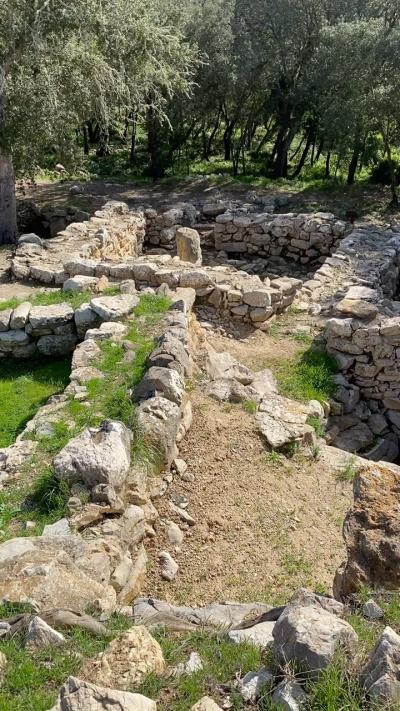
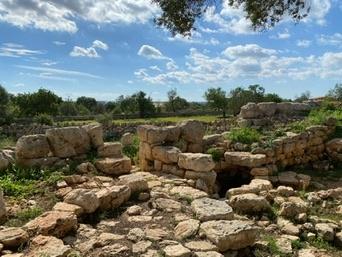
In recent years, interest in Mallorca's prehistoric and Roman remains has grown, with more sites becoming accessible and better interpreted. One of the standout places to visit is the Talaiotic settlement of Capocorb Vell near Llucmajor, where you can explore well-preserved stone towers and dwellings that reveal the island’s Bronze Age past. Walking among these circular and rectangular towers, it’s easy to connect with the early inhabitants who once shaped the landscape.
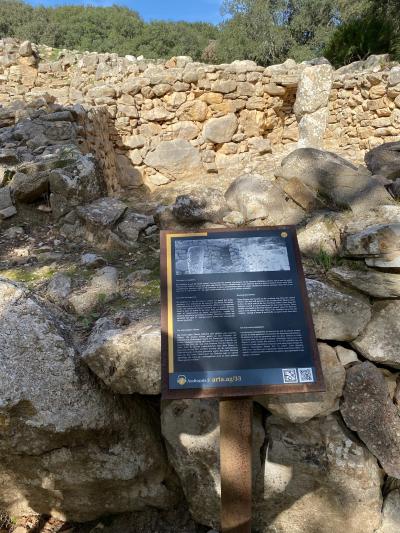
Nearby, the Roman ruins at Pollentia, close to Alcudia, offer an impressive glimpse into the island’s Roman era. You can wander through remains of the forum, a theatre, and town walls, with interpretive panels that bring to life the bustling once-vibrant settlement. The site’s location near the charming old town of Alcudia makes it a perfect day trip blending history with local culture.
In the Tramuntana mountains, scattered grottos and ancient quarries hint at earlier periods, while the monastery ruins at Lluc provide a link to more recent medieval religious history. These sites are often quieter, perfect for those seeking to combine archaeological interest with hiking or exploring traditional villages like Valldemossa or Deia. Whether you’re keen on prehistoric culture, Roman life, or medieval heritage, the island’s layered past is palpable in these atmospheric ruins and archaeological treasures.
Nearby, the Roman ruins at Pollentia, close to Alcudia, offer an impressive glimpse into the island’s Roman era. You can wander through remains of the forum, a theatre, and town walls, with interpretive panels that bring to life the bustling once-vibrant settlement. The site’s location near the charming old town of Alcudia makes it a perfect day trip blending history with local culture.
In the Tramuntana mountains, scattered grottos and ancient quarries hint at earlier periods, while the monastery ruins at Lluc provide a link to more recent medieval religious history. These sites are often quieter, perfect for those seeking to combine archaeological interest with hiking or exploring traditional villages like Valldemossa or Deia. Whether you’re keen on prehistoric culture, Roman life, or medieval heritage, the island’s layered past is palpable in these atmospheric ruins and archaeological treasures.

s'Horta
More Fotos