What are some popular cultural attractions in Mallorca related to art and architecture?
Similar Topics
Mallorca cultural attractions
La Seu Cathedral
Joan Miró Mallorca
Es Baluard Museum
Mallorca art scene
Gothic architecture Mallorca
contemporary art Mallorca
Deià village
Mallorca history
artistic heritage Mallorca
Mallorca boasts a rich tapestry of cultural attractions that beautifully intertwine art and architecture, reflecting the island's diverse history and vibrant artistic scene. One of the most iconic landmarks is the stunning Cathedral of Santa Maria of Palma, commonly known as La Seu. This magnificent Gothic structure, which looms over the Bay of Palma, is celebrated for its intricate façade and breathtaking interior, featuring impressive stained glass windows that bathe the nave in colorful light. The cathedral was partly designed by the renowned architect Antoni Gaudí in the early 20th century, adding a unique twist to its historical significance.
In addition to La Seu, the island is home to the Fundació Pilar i Joan Miró, dedicated to the works of the famous surrealist painter Joan Miró, who spent a significant part of his life in Mallorca. This foundation not only houses a remarkable collection of Miró's art but also offers insights into his creative process through the preserved studio where he worked. The surrounding gardens and outdoor sculptures provide a serene setting that enhances the experience of appreciating his artistic vision. Furthermore, the charming village of Deià, known for its stunning stone architecture and breathtaking landscapes, has attracted many artists over the years. Visitors can explore local galleries and enjoy the beauty that inspired countless works of art.
For those interested in more contemporary expressions, the Es Baluard Museum of Modern and Contemporary Art in Palma is a must-visit. This museum features an impressive selection of works by both local and international artists, housed within the walls of an old military fortress. Its unique blend of historical architecture and modern art creates a fascinating dialogue between past and present, inviting visitors to engage with the evolving narrative of Mallorcan culture. Whether wandering through the narrow streets of historic towns or immersing oneself in the vibrant art scene, Mallorca offers a wealth of cultural experiences that celebrate its artistic heritage and architectural splendor.
In addition to La Seu, the island is home to the Fundació Pilar i Joan Miró, dedicated to the works of the famous surrealist painter Joan Miró, who spent a significant part of his life in Mallorca. This foundation not only houses a remarkable collection of Miró's art but also offers insights into his creative process through the preserved studio where he worked. The surrounding gardens and outdoor sculptures provide a serene setting that enhances the experience of appreciating his artistic vision. Furthermore, the charming village of Deià, known for its stunning stone architecture and breathtaking landscapes, has attracted many artists over the years. Visitors can explore local galleries and enjoy the beauty that inspired countless works of art.
For those interested in more contemporary expressions, the Es Baluard Museum of Modern and Contemporary Art in Palma is a must-visit. This museum features an impressive selection of works by both local and international artists, housed within the walls of an old military fortress. Its unique blend of historical architecture and modern art creates a fascinating dialogue between past and present, inviting visitors to engage with the evolving narrative of Mallorcan culture. Whether wandering through the narrow streets of historic towns or immersing oneself in the vibrant art scene, Mallorca offers a wealth of cultural experiences that celebrate its artistic heritage and architectural splendor.
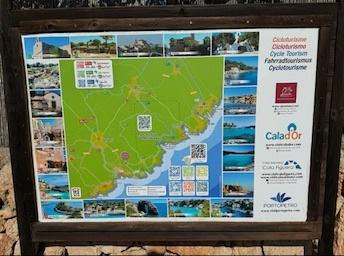
Cala Figuera
More Fotos
Related Questions
Related Question
Where can families find the best parks and playgrounds for children in Mallorca?
Related Question
Are there discounts available for children or seniors on Mallorca's attractions and transport?
Related Question
How do the tapas offerings in Palma differ from those in other parts of Spain?