What interesting events led to Mallorca gaining its own monarchy?
Similar Topics
Mallorca history
Kingdom of Mallorca
James I of Aragon
Mallorca monarchy
Mediterranean culture
Mallorca travel
Mallorca events
self-governance Mallorca
Mallorca tourism
Mallorcan traditions
Mallorca's journey to gaining its own monarchy is a fascinating tale steeped in the island’s rich history. In the 13th century, the island was part of the broader conquest efforts by the Crown of Aragon, which aimed to expand its territories in the Mediterranean. After a series of military campaigns led by King James I of Aragon, Mallorca was captured in 1229. This marked the beginning of a new era, as the island was then integrated into the Kingdom of Aragon. However, the local nobility and populace sought greater autonomy, leading to a significant political shift.
In 1276, after the death of King James I, his son, James II, became the first king of the newly established Kingdom of Mallorca. This kingdom was formed in response to the desire for self-governance and local rule, allowing Mallorca to maintain its own monarchy while remaining a part of the larger Aragonese crown. The island's monarchy was characterized by a unique blend of local customs and the influence of the broader Mediterranean culture. It thrived for over a century before being absorbed into the Crown of Aragon, but the legacy of its brief independent monarchy still resonates in the island's cultural identity today.
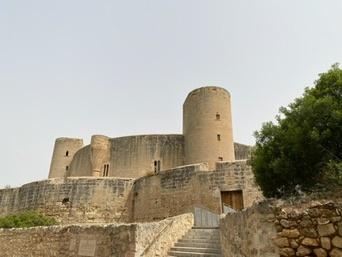
The establishment of the Kingdom of Mallorca was marked by important events, such as the creation of its own laws and the development of a distinct political structure. The monarchy promoted trade and cultural exchanges, leading to a flourishing economy and vibrant artistic scene. Although the kingdom ultimately fell under Aragonese control in 1343, the historical significance of having had its own monarchy contributed to the island's unique charm and character, making it an intriguing destination for history enthusiasts and travelers alike. Today, visitors can still see traces of this fascinating past in the architecture, local traditions, and the enduring spirit of the Mallorcan people.
In 1276, after the death of King James I, his son, James II, became the first king of the newly established Kingdom of Mallorca. This kingdom was formed in response to the desire for self-governance and local rule, allowing Mallorca to maintain its own monarchy while remaining a part of the larger Aragonese crown. The island's monarchy was characterized by a unique blend of local customs and the influence of the broader Mediterranean culture. It thrived for over a century before being absorbed into the Crown of Aragon, but the legacy of its brief independent monarchy still resonates in the island's cultural identity today.
The establishment of the Kingdom of Mallorca was marked by important events, such as the creation of its own laws and the development of a distinct political structure. The monarchy promoted trade and cultural exchanges, leading to a flourishing economy and vibrant artistic scene. Although the kingdom ultimately fell under Aragonese control in 1343, the historical significance of having had its own monarchy contributed to the island's unique charm and character, making it an intriguing destination for history enthusiasts and travelers alike. Today, visitors can still see traces of this fascinating past in the architecture, local traditions, and the enduring spirit of the Mallorcan people.

More Fotos