What are the different types of olives grown in Mallorca?
Similar Topics
Mallorca olives
Arbequina olives
Mallorquina olives
Empeltre olives
Mallorca olive oil
olive cultivation Mallorca
Mediterranean cuisine
Mallorca travel
olive groves Mallorca
tapas Mallorca
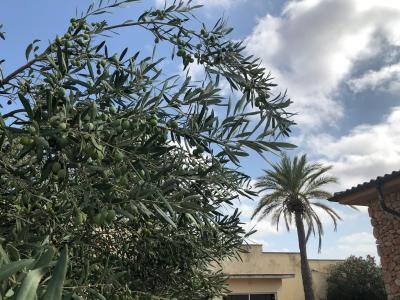
Mallorca is renowned for its rich agricultural heritage, particularly when it comes to olive cultivation. The island’s diverse climate and fertile soil create ideal conditions for a variety of olive trees, each contributing its unique flavor and character to the local cuisine. One of the most prominent types of olives grown here is the "Arbequina," a small, brownish-green olive known for its mild, fruity flavor and smooth texture. This variety is not only popular for table olives but is also highly sought after for its high-quality oil, which boasts a delicate taste that enhances many Mediterranean dishes.
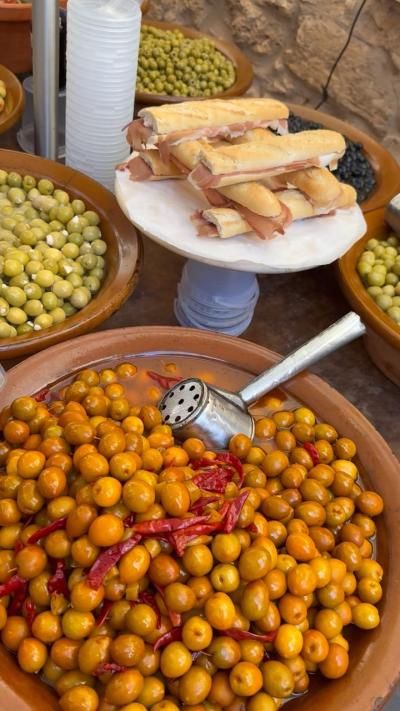
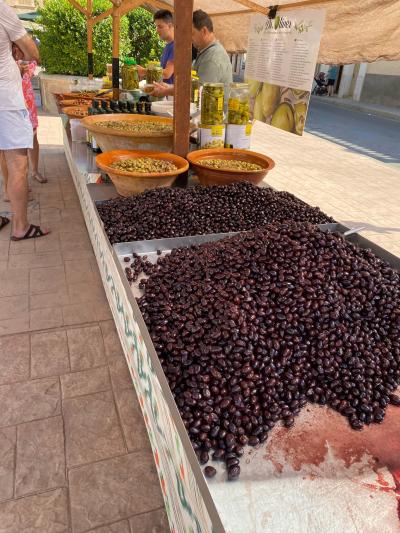
Another notable variety is the "Mallorquina," indigenous to the island and cherished for its robust flavor and larger size. These olives are typically harvested in late autumn and are often cured to bring out their rich, savory notes. They are a staple in traditional Mallorcan dishes and are frequently served in local tapas. Additionally, you may encounter the "Empeltre" variety, which is characterized by its dark purple hue and rich, nutty taste. This variety is primarily used for oil production, contributing to the island's reputation for exceptional olive oil that reflects the unique terroir of Mallorca.
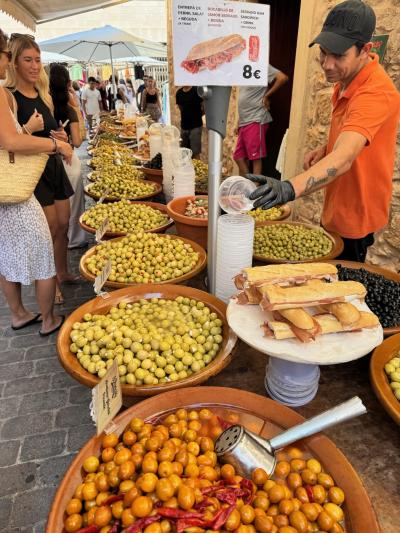
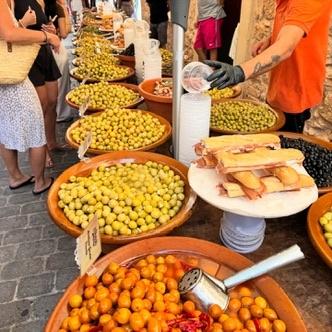
Exploring the olive groves of Mallorca can be a delightful experience, especially during the harvest season when the landscape is dotted with families picking olives. Many local producers offer tours and tastings, allowing visitors to sample the different varieties and learn about the traditional methods of olive oil production. This not only connects you with the island’s agricultural roots but also provides a delicious insight into the flavors that define Mallorcan cuisine. Whether you’re enjoying a fresh salad drizzled with local olive oil or snacking on cured olives, you will surely appreciate the richness of Mallorca’s olive heritage.
Another notable variety is the "Mallorquina," indigenous to the island and cherished for its robust flavor and larger size. These olives are typically harvested in late autumn and are often cured to bring out their rich, savory notes. They are a staple in traditional Mallorcan dishes and are frequently served in local tapas. Additionally, you may encounter the "Empeltre" variety, which is characterized by its dark purple hue and rich, nutty taste. This variety is primarily used for oil production, contributing to the island's reputation for exceptional olive oil that reflects the unique terroir of Mallorca.
Exploring the olive groves of Mallorca can be a delightful experience, especially during the harvest season when the landscape is dotted with families picking olives. Many local producers offer tours and tastings, allowing visitors to sample the different varieties and learn about the traditional methods of olive oil production. This not only connects you with the island’s agricultural roots but also provides a delicious insight into the flavors that define Mallorcan cuisine. Whether you’re enjoying a fresh salad drizzled with local olive oil or snacking on cured olives, you will surely appreciate the richness of Mallorca’s olive heritage.
More Fotos