What ingredients are commonly found in traditional Mallorcan dishes like tumbet or pa amb oli?
Similar Topics
mallorcan dishes
tumbet ingredients
pa amb oli
sobrassada
ensaïmada
local olive oil
hierbas drink
tramuntana food
During the summer months, markets throughout towns like Palma, Sóller, and Pollença overflow with fresh produce that defines many local specialties. Dishes such as tumbet, a vegetable medley reminiscent of ratatouille, typically feature ripe tomatoes, zucchini, eggplant, and red peppers, all grown abundantly in the fertile plains near Manacor. These vegetables are often drizzled with local olive oil, which is a cornerstone of the island’s cuisine, bringing out their natural flavors.
A simple yet iconic dish, pa amb oli, showcases Mallorca’s rustic charm through its use of crusty bread rubbed with ripe tomatoes and topped with olive oil, local cheese or cured sobrassada sausage. Fresh garlic and sea salt might be added, along with olives or capers for an extra touch. Hierbas, the island’s aromatic herbal liqueur, often accompanies these meals as a digestif.
In the cooler months, heartier fare appears in mountain villages like Valldemossa and Deià, with dishes featuring pork, potatoes, and seasonal root vegetables. Seasonal influences extend to baking as well, with ensaïmadas—a sweet, spiral-shaped pastry—filled with pumpkin or cream in various village bakeries. This connection to regional ingredients and traditions shapes an authentic culinary experience, whether enjoyed in a seaside tavern on Cala Mondragó or in a rustic inn in the Tramuntana.
A simple yet iconic dish, pa amb oli, showcases Mallorca’s rustic charm through its use of crusty bread rubbed with ripe tomatoes and topped with olive oil, local cheese or cured sobrassada sausage. Fresh garlic and sea salt might be added, along with olives or capers for an extra touch. Hierbas, the island’s aromatic herbal liqueur, often accompanies these meals as a digestif.
In the cooler months, heartier fare appears in mountain villages like Valldemossa and Deià, with dishes featuring pork, potatoes, and seasonal root vegetables. Seasonal influences extend to baking as well, with ensaïmadas—a sweet, spiral-shaped pastry—filled with pumpkin or cream in various village bakeries. This connection to regional ingredients and traditions shapes an authentic culinary experience, whether enjoyed in a seaside tavern on Cala Mondragó or in a rustic inn in the Tramuntana.
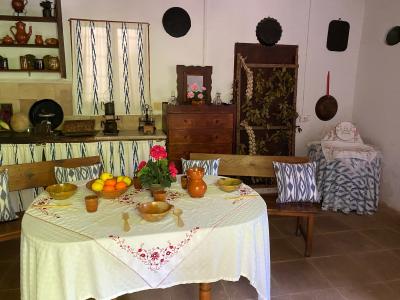
Bunyola
More Fotos