How did the monastery at Valldemossa contribute to local life during its most influential period?
Similar Topics
valldemossa monastery
local community
tramuntana agriculture
binissalem wine
monastic education
mallorca culture
social services mallorca
carthusian monastery
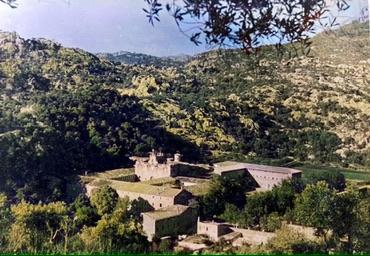
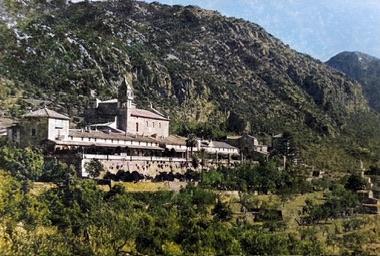
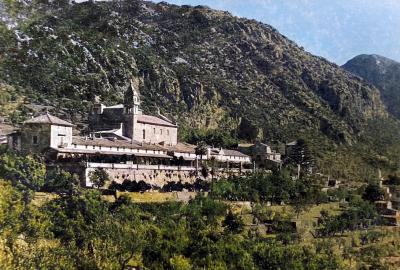
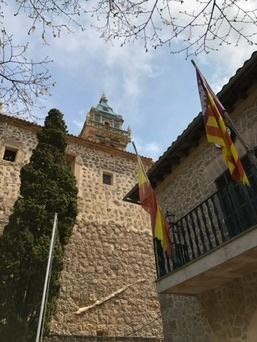
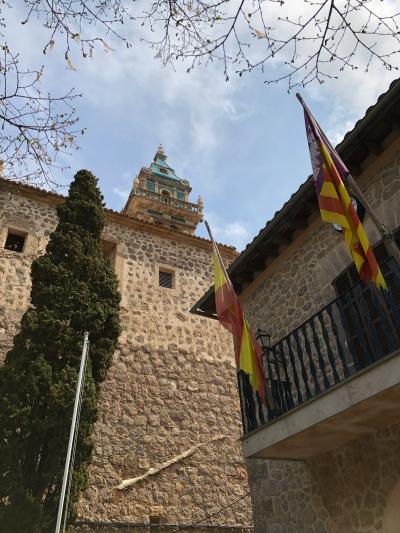
The faint scent of pine and old stone lingers in the air around Valldemossa’s famous Carthusian monastery, hinting at centuries of quiet devotion and community life. At the height of its importance, the monastery was far more than a religious sanctuary; it was a focal point for education and culture on the island. Monks here immersed themselves in copying manuscripts and studying theology, philosophy, and art, attracting locals who sought learning beyond the basic day-to-day. This intellectual activity helped preserve important texts and traditions that shaped Mallorca’s cultural heritage.
Beyond its scholastic role, the monastery served as a vital social refuge. It provided shelter and aid to farmers and villagers from nearby towns like Deià and Sóller, especially during difficult seasons or times of illness. The monks’ efforts in caring for the sick and distributing food created a deep sense of compassion and community resilience that resonated through the surrounding valleys.
Agriculturally, the monastery managed extensive lands along the gentle slopes of the Tramuntana mountains, introducing farming methods that improved olive and grape yields—foundations that contributed to the island’s famed Binissalem wines. Shares of surplus produce were often shared in times of hardship, reinforcing the monastery’s role as a guardian of both spiritual and physical wellbeing. Its influence shaped Valldemossa and its environs profoundly, a legacy still felt in the rhythms of local life today.
Beyond its scholastic role, the monastery served as a vital social refuge. It provided shelter and aid to farmers and villagers from nearby towns like Deià and Sóller, especially during difficult seasons or times of illness. The monks’ efforts in caring for the sick and distributing food created a deep sense of compassion and community resilience that resonated through the surrounding valleys.
Agriculturally, the monastery managed extensive lands along the gentle slopes of the Tramuntana mountains, introducing farming methods that improved olive and grape yields—foundations that contributed to the island’s famed Binissalem wines. Shares of surplus produce were often shared in times of hardship, reinforcing the monastery’s role as a guardian of both spiritual and physical wellbeing. Its influence shaped Valldemossa and its environs profoundly, a legacy still felt in the rhythms of local life today.
Valldemossa
More Fotos