How does traditional Mediterranean architecture influence the visitor experience on the island?
Similar Topics
mediterranean architecture
mallorca heritage
historic villages
serra de tramuntana
valldemossa architecture
palma old town
sobrassada
cobblestone streets
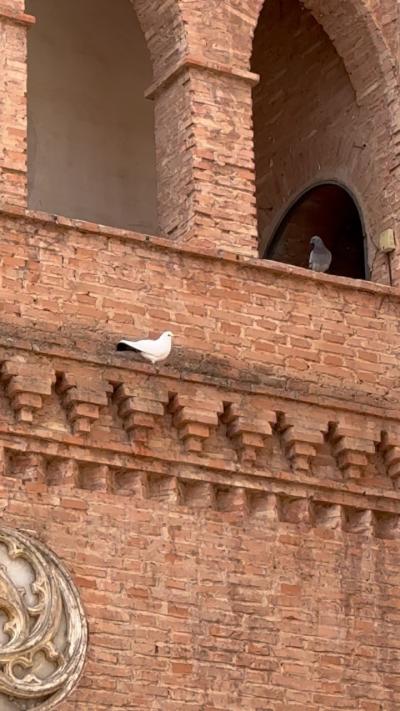
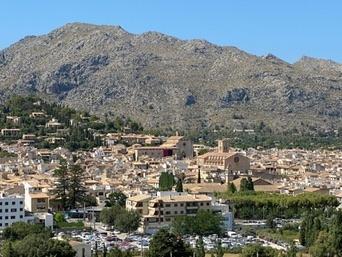
In recent years, there has been a growing appreciation for the island’s distinctive Mediterranean architecture, with more efforts to preserve its historic villages and towns. Characterized by whitewashed walls, terracotta roofs, and shaded patios, the architecture in places like Valldemossa, Deià, and Sóller creates a backdrop that feels timeless and deeply connected to local traditions. Wandering the narrow cobblestone streets, visitors encounter facades adorned with wrought iron balconies and colorful shutters, emanating a quiet charm that draws you into the island’s cultural fabric.
This architecture doesn’t just catch the eye—it tells a story of centuries-old Moorish influences blended with Mallorcan rural farmhouse styles, evident in the stone fincas spread across the Serra de Tramuntana. The old town of Palma showcases an impressive mix, from Gothic arches in La Seu cathedral to modernist touches elsewhere, offering a rich visual journey through the island’s history. Many restaurants and boutique hotels occupy these historic buildings, seamlessly merging tradition with modern comfort and letting visitors immerse themselves fully in the setting.
Beyond aesthetics, these structures provide an authentic sense of place, encouraging slower travel—savoring a cafè amb llet on a shaded terrace or exploring local markets offering sobrassada and ensaimadas. The attention to retaining architectural integrity increases the appeal of smaller towns like Pollença and Alcúdia, where engaging with daily life feels genuine rather than staged. This balance between heritage and contemporary life enriches any visit, granting a more intimate connection to both the landscape and the island's unique identity.
This architecture doesn’t just catch the eye—it tells a story of centuries-old Moorish influences blended with Mallorcan rural farmhouse styles, evident in the stone fincas spread across the Serra de Tramuntana. The old town of Palma showcases an impressive mix, from Gothic arches in La Seu cathedral to modernist touches elsewhere, offering a rich visual journey through the island’s history. Many restaurants and boutique hotels occupy these historic buildings, seamlessly merging tradition with modern comfort and letting visitors immerse themselves fully in the setting.
Beyond aesthetics, these structures provide an authentic sense of place, encouraging slower travel—savoring a cafè amb llet on a shaded terrace or exploring local markets offering sobrassada and ensaimadas. The attention to retaining architectural integrity increases the appeal of smaller towns like Pollença and Alcúdia, where engaging with daily life feels genuine rather than staged. This balance between heritage and contemporary life enriches any visit, granting a more intimate connection to both the landscape and the island's unique identity.
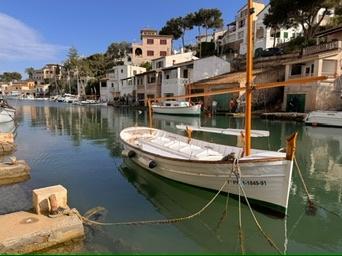
Cala Figuera
More Fotos