How has Mallorcan cuisine evolved over the years?
Similar Topics
Mallorcan cuisine
traditional dishes
culinary tourism
farm-to-table
sustainable cooking
Mallorca gastronomy
fusion cuisine
local ingredients
food festivals
cooking techniques
Mallorcan cuisine has undergone significant evolution over the years, reflecting the island's rich history and diverse cultural influences. Initially shaped by the island's agricultural roots, traditional dishes were based on local ingredients like vegetables, grains, and meats. Over time, the arrival of various civilizations, including the Moors and the Catalans, infused new flavors and cooking techniques into the culinary landscape. This blending of cultures gave rise to iconic dishes such as "sobrassada," a cured sausage seasoned with paprika, and "ensaimada," a sweet pastry that has become a symbol of Mallorcan gastronomy.
In recent decades, there has been a renewed interest in traditional recipes, spurred by a growing emphasis on local and seasonal produce. Many chefs are now focusing on sustainability and farm-to-table practices, celebrating the island's fresh seafood, vegetables, and artisanal products. This modern resurgence has led to a creative reimagining of classic dishes, where traditional flavors are combined with contemporary techniques. Restaurants across the island are experimenting with fusion cuisine, incorporating influences from international culinary trends while still honoring the island's roots.
Moreover, the rise of culinary tourism has played a significant role in the evolution of Mallorcan cuisine. Travelers seeking authentic gastronomic experiences have prompted local chefs to showcase traditional dishes in innovative ways, often accompanied by wine from the island's burgeoning vineyards. As a result, food festivals and culinary events have become increasingly popular, drawing attention to the island's culinary heritage and encouraging a new generation of chefs to explore and reinterpret Mallorcan flavors. The ongoing dialogue between tradition and modernity continues to shape the culinary landscape of Mallorca, making it a vibrant destination for food enthusiasts.
In recent decades, there has been a renewed interest in traditional recipes, spurred by a growing emphasis on local and seasonal produce. Many chefs are now focusing on sustainability and farm-to-table practices, celebrating the island's fresh seafood, vegetables, and artisanal products. This modern resurgence has led to a creative reimagining of classic dishes, where traditional flavors are combined with contemporary techniques. Restaurants across the island are experimenting with fusion cuisine, incorporating influences from international culinary trends while still honoring the island's roots.
Moreover, the rise of culinary tourism has played a significant role in the evolution of Mallorcan cuisine. Travelers seeking authentic gastronomic experiences have prompted local chefs to showcase traditional dishes in innovative ways, often accompanied by wine from the island's burgeoning vineyards. As a result, food festivals and culinary events have become increasingly popular, drawing attention to the island's culinary heritage and encouraging a new generation of chefs to explore and reinterpret Mallorcan flavors. The ongoing dialogue between tradition and modernity continues to shape the culinary landscape of Mallorca, making it a vibrant destination for food enthusiasts.
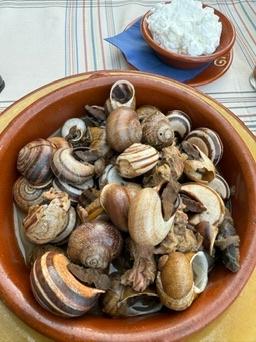
s'Horta
More Fotos