How do Mallorcan culinary traditions influence the dining experiences in towns like Palma or Soller?
Similar Topics
mallorca food
sobrassada
pa amb oli
binissalem wine
ensaimada
tramuntana cuisine
local markets
hierbas liqueur
When the golden light fades over the Tramuntana mountains and diners settle into rustic terraces, the island’s culinary heritage takes center stage. In Palma or Soller, menus often celebrate locally sourced ingredients, with dishes shaped by centuries of Mediterranean and Moorish influences. Typical recipes highlight sobrassada—Mallorca’s spiced cured sausage—and pa amb oli, a beloved staple of rustic bread rubbed with tomato and drizzled with local olive oil. Seasonal vegetables appear in tumbet, a colorful vegetable bake, reflecting the island’s agricultural roots.
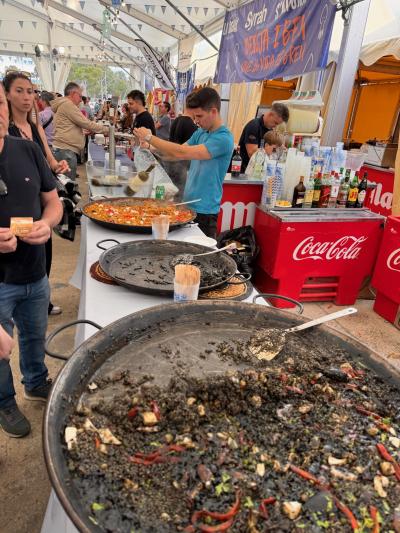
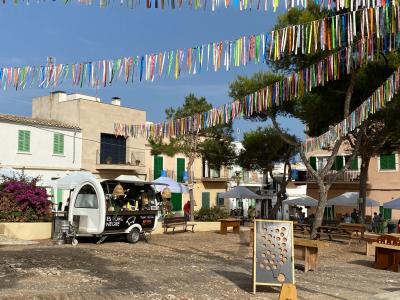
Coastal towns bring fresh seafood to the table, with dishes featuring freshly caught fish, squid, or prawns, often paired with a glass of crisp Binissalem wine. Traditional desserts like ensaimada sweeten the experience, especially when paired with a shot of Hierbas or Palo, herbal liqueurs emblematic of the island’s generational recipes. Local markets and festivals like Nit de Foc or the Sant Sebastià celebrations offer visitors immersive opportunities to taste and learn about these culinary customs firsthand.
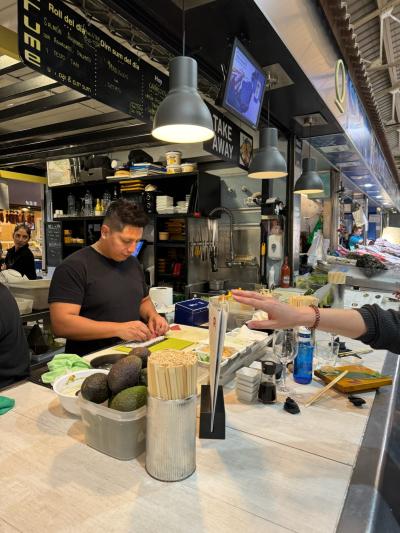
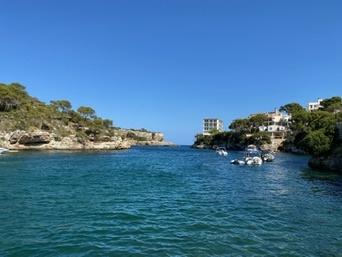
Beyond mere meals, eating here weaves visitors into the social fabric of everyday life. Many restaurants and family-run establishments focus on preserving recipes handed down through generations, setting a tone of authenticity and community spirit. Whether savoring lunch near the crystal waters of Cala Mondragó or sharing tapas in a bustling Palma alleyway, the food here invites you to connect with the island’s culture in a way that is both intimate and delicious.
Coastal towns bring fresh seafood to the table, with dishes featuring freshly caught fish, squid, or prawns, often paired with a glass of crisp Binissalem wine. Traditional desserts like ensaimada sweeten the experience, especially when paired with a shot of Hierbas or Palo, herbal liqueurs emblematic of the island’s generational recipes. Local markets and festivals like Nit de Foc or the Sant Sebastià celebrations offer visitors immersive opportunities to taste and learn about these culinary customs firsthand.
Beyond mere meals, eating here weaves visitors into the social fabric of everyday life. Many restaurants and family-run establishments focus on preserving recipes handed down through generations, setting a tone of authenticity and community spirit. Whether savoring lunch near the crystal waters of Cala Mondragó or sharing tapas in a bustling Palma alleyway, the food here invites you to connect with the island’s culture in a way that is both intimate and delicious.
Alcanada
More Fotos

Related Questions
Related Question
Should I reserve my ferry or boat tickets in advance when traveling around Mallorca, or can I usually buy them on the spot?
Related Question
How did the experiences of these writers shape the literary scene in Mallorca after the war?
Related Question
What is the history behind the cuisine of Mallorca?