How does the landscape of Mallorca influence Miró's artistic style?
Similar Topics
Mallorca landscape
Joan Miró art
Mediterranean colors
natural beauty
cultural history
artistic expression
traditional Mediterranean
light and shadow
abstraction in art
inspiration from nature
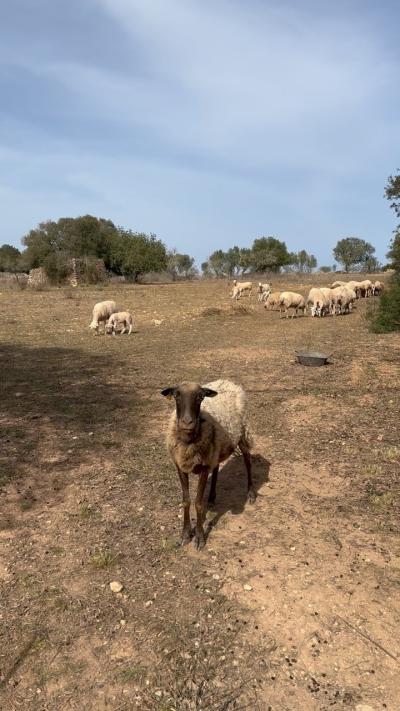
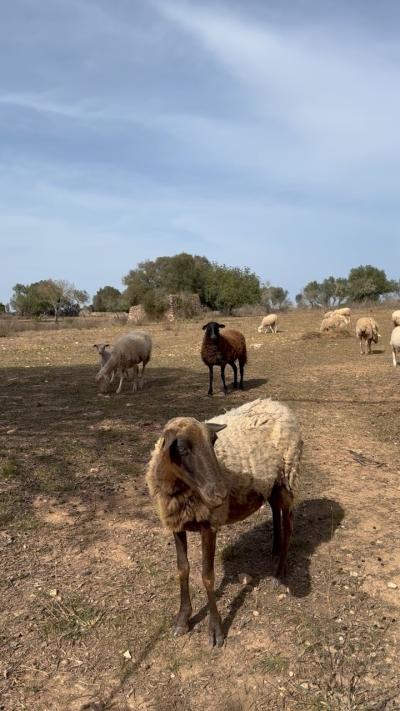
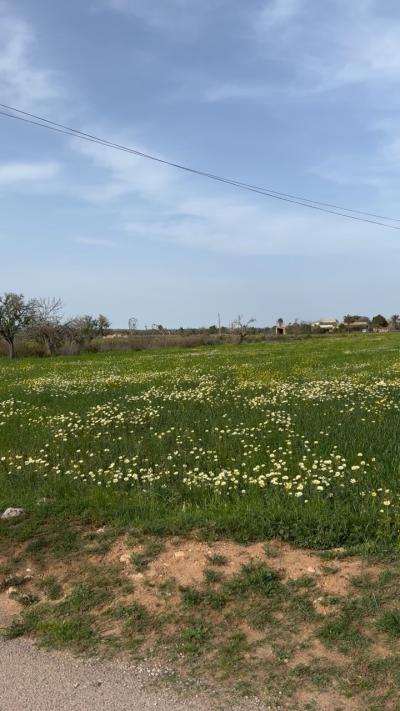
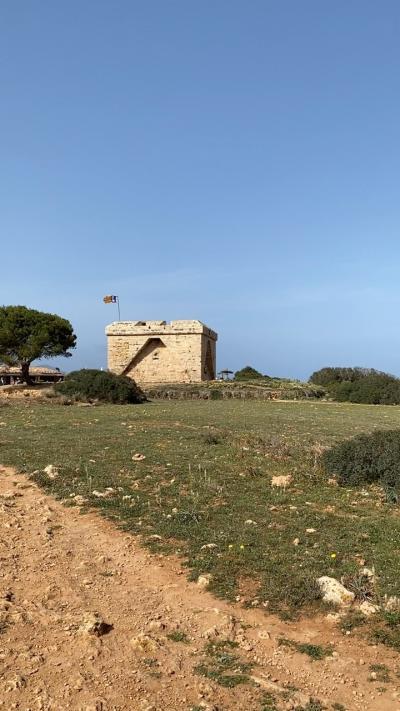
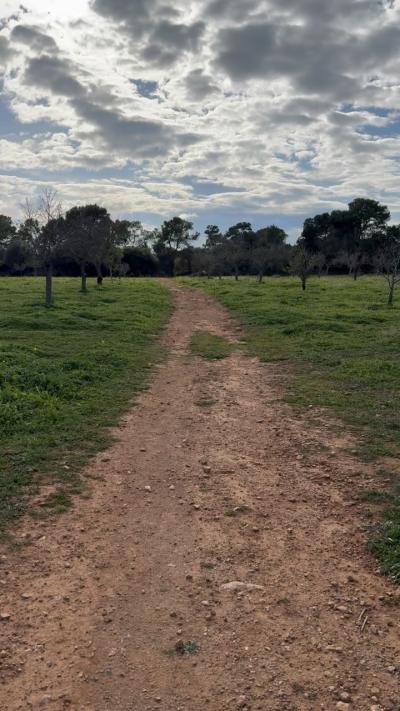
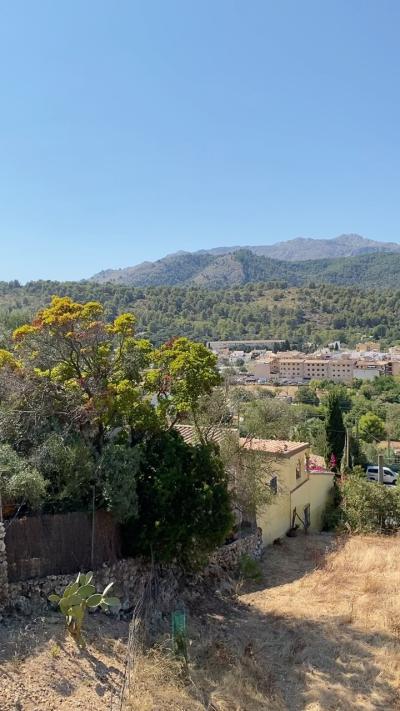
The landscape of Mallorca has profoundly influenced Joan Miró's artistic style, intertwining elements of nature with his unique vision. The island's vibrant colors, from the deep blues of the Mediterranean Sea to the sun-drenched yellows and reds of its fields, resonate throughout Miró's work. His paintings often reflect the rugged terrain, with its dramatic cliffs and the gentle undulation of hills, capturing the essence of the island's natural beauty. This vivid environment not only served as a backdrop but also as a source of inspiration, prompting him to experiment with forms and colors that embody the spirit of Mallorca.
Moreover, the cultural history and folklore of the island played a pivotal role in shaping Miró's artistic expression. The traditional Mediterranean way of life, with its rich symbols and myths, found their way into his art, adding layers of meaning and depth. The interplay of light and shadow in Mallorca’s landscapes can be seen in his use of contrast and bold outlines, elements that became hallmarks of his style. As he immersed himself in the local scenery, Miró developed a distinctive language that fused abstraction with elements derived from nature, demonstrating a deep connection to the surroundings that inspired him.
Living in Mallorca, Miró often engaged directly with the landscape, which influenced his choice of materials and techniques. He would frequently collect natural objects, such as stones and shells, incorporating them into his artwork or using them as inspiration for new pieces. This direct interaction with the environment allowed him to transcend traditional boundaries, creating art that felt both grounded in the earthly realm and liberated by imagination. Ultimately, the landscape of Mallorca not only shaped Miró's artistic journey but also continues to resonate with visitors today, offering a vivid glimpse into the vibrant world that inspired one of the 20th century's greatest artists.
Moreover, the cultural history and folklore of the island played a pivotal role in shaping Miró's artistic expression. The traditional Mediterranean way of life, with its rich symbols and myths, found their way into his art, adding layers of meaning and depth. The interplay of light and shadow in Mallorca’s landscapes can be seen in his use of contrast and bold outlines, elements that became hallmarks of his style. As he immersed himself in the local scenery, Miró developed a distinctive language that fused abstraction with elements derived from nature, demonstrating a deep connection to the surroundings that inspired him.
Living in Mallorca, Miró often engaged directly with the landscape, which influenced his choice of materials and techniques. He would frequently collect natural objects, such as stones and shells, incorporating them into his artwork or using them as inspiration for new pieces. This direct interaction with the environment allowed him to transcend traditional boundaries, creating art that felt both grounded in the earthly realm and liberated by imagination. Ultimately, the landscape of Mallorca not only shaped Miró's artistic journey but also continues to resonate with visitors today, offering a vivid glimpse into the vibrant world that inspired one of the 20th century's greatest artists.
More Fotos