How are local groups and authorities protecting endangered wildlife on the island?
Similar Topics
wildlife protection
balearic shearwater
habitat preservation
conservation mallorca
nature reserves
pollenca eco-tourism
serra tramuntana
species monitoring
Efforts to protect vulnerable species along the Serra de Tramuntana and beyond have intensified in recent years, with a stronger focus on preserving key habitats. Nature reserves like the Albufera de Mallorca and the coastal dunes near Es Trenc serve as crucial refuges for rare birds and native plants. Restricting development along the Ma-19 and limiting motor traffic on sensitive mountain paths helps safeguard these ecosystems against human disturbance, allowing species such as the Balearic shearwater to thrive in quieter, more secure environments.
Community involvement plays a vital role in sustaining conservation gains. Local organisations based in towns like Pollenca and Alcudia regularly engage residents and visitors through educational programs and guided nature walks, highlighting the importance of endemic species and traditional farming methods that support biodiversity. Awareness campaigns often emphasize the links between preserving wild areas and maintaining local livelihoods, supported by eco-tourism ventures that encourage responsible visits while providing alternative economic opportunities.
Scientific monitoring by researchers in collaboration with the Balearic government informs ongoing protection measures. They track populations of endangered species and study the island’s unique habitats, including coastal wetlands and mountain forests. Conservation projects sometimes involve habitat restoration, such as replanting native flora around Cala Mondrago and efforts to reduce invasive species. These combined initiatives—balancing careful habitat management, community participation, and science—help ensure that Mallorca’s distinctive flora and fauna remain a vital part of the island’s natural heritage.
Community involvement plays a vital role in sustaining conservation gains. Local organisations based in towns like Pollenca and Alcudia regularly engage residents and visitors through educational programs and guided nature walks, highlighting the importance of endemic species and traditional farming methods that support biodiversity. Awareness campaigns often emphasize the links between preserving wild areas and maintaining local livelihoods, supported by eco-tourism ventures that encourage responsible visits while providing alternative economic opportunities.
Scientific monitoring by researchers in collaboration with the Balearic government informs ongoing protection measures. They track populations of endangered species and study the island’s unique habitats, including coastal wetlands and mountain forests. Conservation projects sometimes involve habitat restoration, such as replanting native flora around Cala Mondrago and efforts to reduce invasive species. These combined initiatives—balancing careful habitat management, community participation, and science—help ensure that Mallorca’s distinctive flora and fauna remain a vital part of the island’s natural heritage.
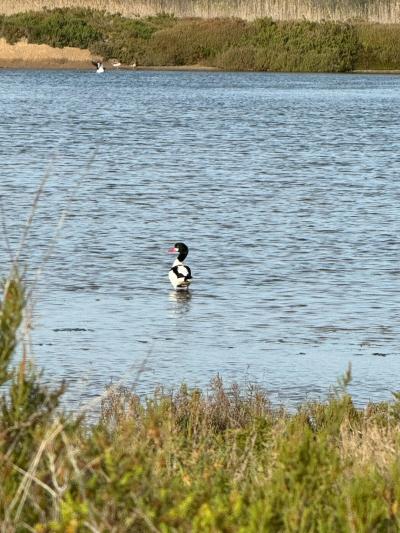
ses Covetes
More Fotos