What traditional dishes should I try while dining in Mallorca with locals?
Similar Topics
pa amb oli
sobrassada
tumbet
ensaïmada
binissalem wine
hierbas
seafood dishes
local cuisine
Evenings in Palma and beyond often revolve around sharing simple, hearty meals rich in Mallorcan tradition. Pa amb oli, a rustic staple, is especially beloved—rustic bread rubbed with ripe tomatoes, drizzled with local olive oil, and topped with sobrassada or cheese. It’s a dish that epitomizes island living, enjoyed as a snack or part of a larger meal. Another classic is tumbet, a vibrant vegetable medley layered with potatoes, aubergines, and red peppers in a fresh tomato sauce, embodying the agricultural bounty of the island’s fertile lands.
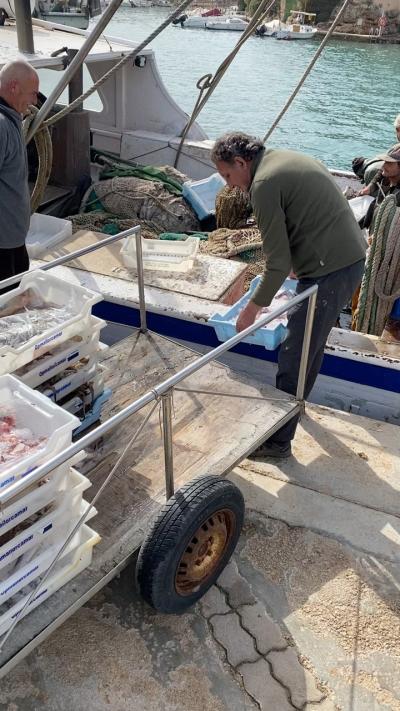
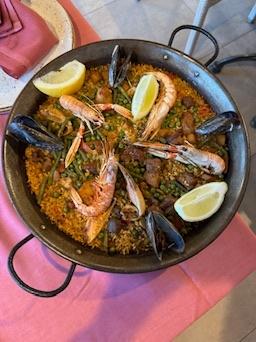
Seafood is integral here, with fresh catches grilled over charcoal or prepared in sauces, reflecting the connection to the Mediterranean. Coastal towns like Port de Sóller or Alcúdia offer specialties such as suquet de peix, a fragrant fish stew that locals savor year-round. For dessert, an ensaïmada—an airy, spiral-shaped pastry dusted with powdered sugar—is irresistible and often enjoyed with morning coffee or as an afternoon treat.
Sipping on a glass of Binissalem wine or a small measure of hierbas or palo, traditional herbal liqueurs, enhances the dining experience, revealing flavors tied to the island's terroir. Sharing these dishes in a bustling market in Palma or a quiet village tavern in Valldemossa gives a genuine glimpse into Mallorcan life and hospitality, where food is a cherished expression of history and community.
Seafood is integral here, with fresh catches grilled over charcoal or prepared in sauces, reflecting the connection to the Mediterranean. Coastal towns like Port de Sóller or Alcúdia offer specialties such as suquet de peix, a fragrant fish stew that locals savor year-round. For dessert, an ensaïmada—an airy, spiral-shaped pastry dusted with powdered sugar—is irresistible and often enjoyed with morning coffee or as an afternoon treat.
Sipping on a glass of Binissalem wine or a small measure of hierbas or palo, traditional herbal liqueurs, enhances the dining experience, revealing flavors tied to the island's terroir. Sharing these dishes in a bustling market in Palma or a quiet village tavern in Valldemossa gives a genuine glimpse into Mallorcan life and hospitality, where food is a cherished expression of history and community.
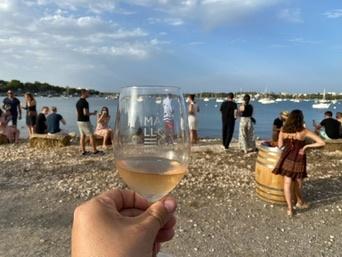
Cala Marçal
More Fotos


Related Questions
Related Question
Where can I explore the history and culture of bullfighting while visiting Palma or nearby towns?
Related Question
Am I allowed to take photos inside the Caves of Drach and other Mallorca caves?
Related Question
What is the best time of day to explore Mallorca for a memorable experience?