What architectural styles are visible in Palma and other towns on the island?
Similar Topics
palma architecture
valldemossa buildings
serra tramuntana style
la seu cathedral
malleran stone houses
alcudia old town
mallorca modernism
traditional fincas
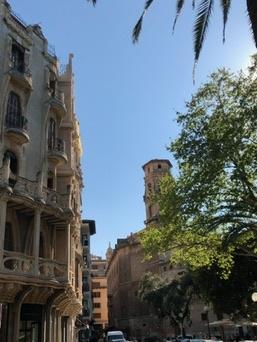
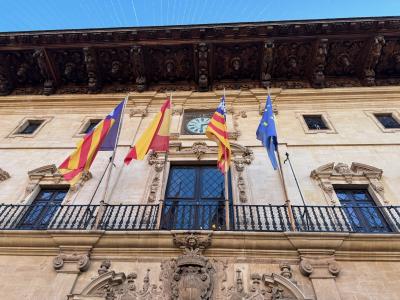
The built environment around Palma and towns like Valldemossa, Sóller, and Pollença offers a rich tapestry of architectural styles that reveal the island’s layered history. In Palma’s historic center, Gothic landmarks like the majestic Cathedral of Santa Maria—La Seu—stand alongside Moorish-influenced buildings with intricate wrought iron balconies and stone courtyards. The narrow alleys here often open onto elegant plazas, where medieval and Renaissance details mingle with more recent Modernist touches, especially in some early 20th-century villas.
Moving inland or along the coast, you encounter traditional fincas and rural houses constructed from local stone, their shuttered windows and terracotta roofs evoking a timeless Mediterranean atmosphere. The mountain villages of Deia and Valldemossa showcase this vernacular style, adapted to the rugged Serra de Tramuntana landscape. Meanwhile, in Alcúdia and Port de Pollença, remnants of defensive walls and Roman ruins mesh with cozy townhouses that exude an understated charm.
Inside many old buildings, handcrafted wooden beams and ornate moldings survive alongside simple, rustic interiors. The use of local materials like marès stone and ceramic tiles is common, often incorporating colorful patterns inspired by Mallorca’s artisanal heritage. Whether wandering Palma’s bustling Passeig del Born or the quiet cobbled streets of Santanyí, an eye for architectural detail reveals stories of conquest, trade, and adaptation across centuries. This blend of influences creates a uniquely layered identity that remains very much alive in the island’s towns and villages.
Moving inland or along the coast, you encounter traditional fincas and rural houses constructed from local stone, their shuttered windows and terracotta roofs evoking a timeless Mediterranean atmosphere. The mountain villages of Deia and Valldemossa showcase this vernacular style, adapted to the rugged Serra de Tramuntana landscape. Meanwhile, in Alcúdia and Port de Pollença, remnants of defensive walls and Roman ruins mesh with cozy townhouses that exude an understated charm.
Inside many old buildings, handcrafted wooden beams and ornate moldings survive alongside simple, rustic interiors. The use of local materials like marès stone and ceramic tiles is common, often incorporating colorful patterns inspired by Mallorca’s artisanal heritage. Whether wandering Palma’s bustling Passeig del Born or the quiet cobbled streets of Santanyí, an eye for architectural detail reveals stories of conquest, trade, and adaptation across centuries. This blend of influences creates a uniquely layered identity that remains very much alive in the island’s towns and villages.
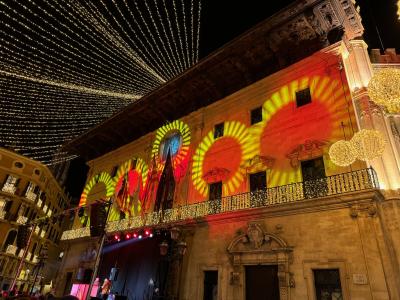
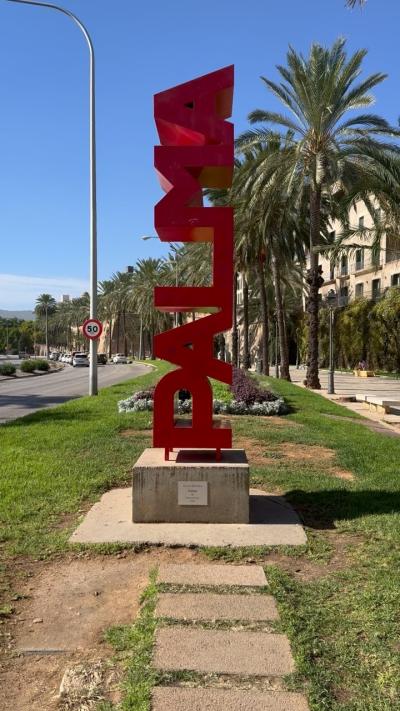
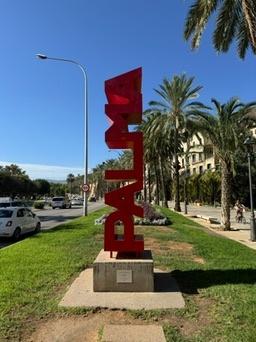
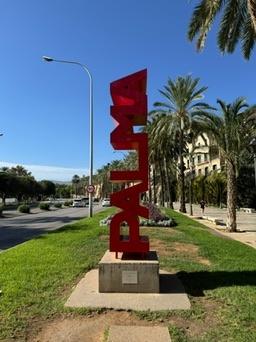
Palma
More Fotos


Related Questions
Related Question
What traditional drinks and cocktails should I try when visiting Mallorca?
Related Question
Are there specific areas in Mallorca where processionary caterpillars are more common?
Related Question
What is the history behind the traditional giant parades in Palma, and what do they represent?