How long does it take to walk the full coastal trail around Mallorca?
Similar Topics
mallorca coastal trail
mallorca hiking
cala mondrago
formentor cliffs
serra de tramuntana
tib bus network
soller railway
binissalem wine
Spending several days hiking Mallorca’s coastline is a rewarding way to experience the island’s diverse landscapes, from the turquoise coves of Cala Mondrago to the rugged cliffs near Formentor. The complete coastline stretches over 500 kilometers, depending on the route, and the time needed varies with your pace and planned detours. Taking a steady walking rhythm, many outdoor enthusiasts plan around two to three weeks to explore the entire shoreline, allowing for frequent stops at quiet beaches, local villages, and natural reserves.
The trails can fluctuate between easy seaside promenades and more demanding stretches, especially around the Serra de Tramuntana’s northern cliffs. Walking 15 to 20 kilometers per day is common, with some days shorter to enjoy places like the historic port town of Soller or the fishing village of Port de Pollenca. For those who prefer a gentler pace or want to taste traditional dishes such as tumbet or savor a glass of Binissalem wine between stages, extending the hike to nearly a month offers a fuller, more immersive experience.
Seasonality also plays a part; spring and autumn bring cooler weather and quieter paths, while summer’s heat demands early starts and careful hydration. The extensive TIB bus network and the iconic Soller railway provide helpful alternatives for skipping tougher sections or adding rest days. Throughout, the path isn’t just about the walking but the ever-present beauty—from scented pine forests to sunlit coves like Es Trenc—and the chance to connect with Mallorca’s vibrant coastal life.
The trails can fluctuate between easy seaside promenades and more demanding stretches, especially around the Serra de Tramuntana’s northern cliffs. Walking 15 to 20 kilometers per day is common, with some days shorter to enjoy places like the historic port town of Soller or the fishing village of Port de Pollenca. For those who prefer a gentler pace or want to taste traditional dishes such as tumbet or savor a glass of Binissalem wine between stages, extending the hike to nearly a month offers a fuller, more immersive experience.
Seasonality also plays a part; spring and autumn bring cooler weather and quieter paths, while summer’s heat demands early starts and careful hydration. The extensive TIB bus network and the iconic Soller railway provide helpful alternatives for skipping tougher sections or adding rest days. Throughout, the path isn’t just about the walking but the ever-present beauty—from scented pine forests to sunlit coves like Es Trenc—and the chance to connect with Mallorca’s vibrant coastal life.
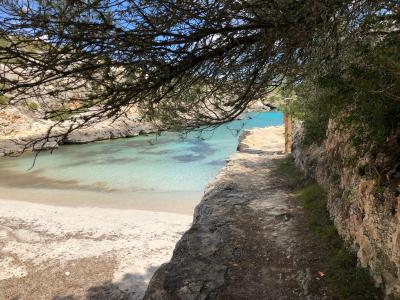
Cales de Mallorca
More Fotos