Who inhabited Mallorca before the arrival of Europeans and what is known about their culture?
Similar Topics
talaiotic culture
prehistoric mallorca
talaiots
serra de tramuntana
palma archaeology
mediterranean trading
mallorca farming history
prehistoric settlements
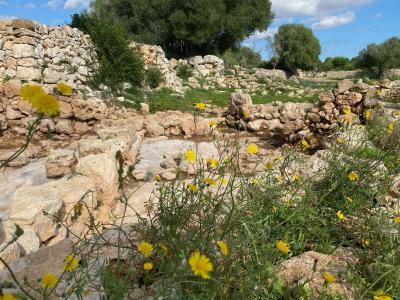
Long before Palma grew into the bustling capital it is today, the island was home to the Talaiotic people, an ancient culture that left a profound mark across the landscape. Their presence is still tangible in the numerous talaiots—megalithic stone towers—scattered throughout places like Capocorb Vell near Llucmajor and in the northeast around Artà. These structures hint at a society organized around fortified settlements, with a strong emphasis on communal living and protection.
The Talaiotic communities were adept at farming and animal husbandry, cultivating cereals and raising sheep and goats in harmony with the rugged terrain of the Serra de Tramuntana and fertile plains around Manacor. Archaeological finds reveal pottery, tools, and jewelry that showcase their craftsmanship and trading links, possibly extending to other Mediterranean cultures.
Spiritual life revolved around rituals connected to the natural world, evidenced by sanctuaries and burial sites dotted across the island, such as the Naveta des Tudons on Menorca but paralleled on Mallorca with cave shrines and altar stones. Though little written record exists, the resilience of these early inhabitants echoes in local folklore and traditions, indirectly preserved through festivals and artisanal crafts.
When the Romans and later European settlers arrived, these ancient societies transformed, but their legacy remains embedded in Mallorca’s identity. Museums in Palma and archaeological parks offer fascinating glimpses into this prehistory, inviting visitors to reflect on the island’s deep past beyond the medieval and modern eras.
The Talaiotic communities were adept at farming and animal husbandry, cultivating cereals and raising sheep and goats in harmony with the rugged terrain of the Serra de Tramuntana and fertile plains around Manacor. Archaeological finds reveal pottery, tools, and jewelry that showcase their craftsmanship and trading links, possibly extending to other Mediterranean cultures.
Spiritual life revolved around rituals connected to the natural world, evidenced by sanctuaries and burial sites dotted across the island, such as the Naveta des Tudons on Menorca but paralleled on Mallorca with cave shrines and altar stones. Though little written record exists, the resilience of these early inhabitants echoes in local folklore and traditions, indirectly preserved through festivals and artisanal crafts.
When the Romans and later European settlers arrived, these ancient societies transformed, but their legacy remains embedded in Mallorca’s identity. Museums in Palma and archaeological parks offer fascinating glimpses into this prehistory, inviting visitors to reflect on the island’s deep past beyond the medieval and modern eras.
Santanyí
More Fotos