What local customs and etiquette should I be aware of when visiting towns like Palma and Soller?
Similar Topics
local customs
mallorca etiquette
palma greetings
soller dining
traditional food
dress code mallorca
binissalem wine
social interaction
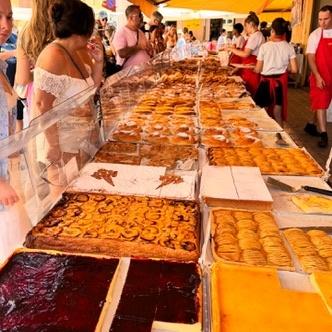
The aroma of freshly baked ensaimadas mingling with the salty air near the harbor often signals the start of a day steeped in tradition here. In Palma, greetings are warm and typically involve a handshake, though friends and family might exchange cheek kisses. A friendly “bon dia” (good day) goes a long way in opening local goodwill, especially in smaller towns such as Soller or Valldemossa. It’s polite to address people formally using “senyor” or “senyora” unless invited to be more casual.
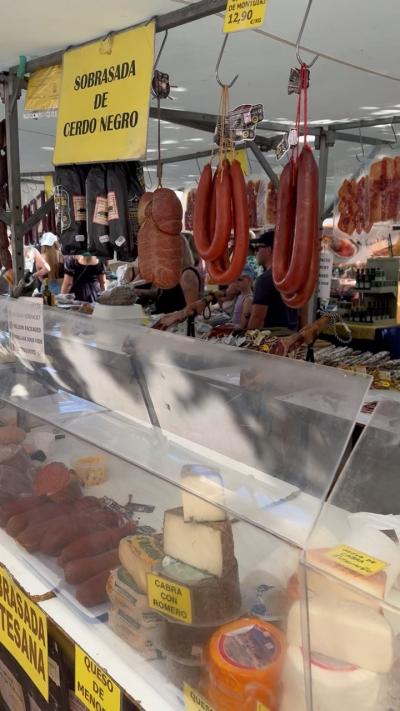
Dining offers a glimpse into the island’s generosity. Sharing a plate of pa amb oli or trying sobrassada together is a common way to bond. If invited to a local’s home, bringing a small gift—perhaps a bottle of Binissalem wine or some local patisserie—is appreciated. Meals tend to be relaxed and social affairs; wait until the host begins or says "bon profit" before starting to eat, and leaving a small amount of food on your plate indicates satisfaction rather than hunger.
When visiting religious sites like the cathedral in Palma or the monastery in Lluc, dressing modestly and respectfully is important—covering shoulders and avoiding shorts shows consideration. Also, note that many small villages uphold a slower pace; loud voices and flashy displays may stand out. Understanding personal space and body language here reflects centuries of Mediterranean etiquette and helps ensure your interactions reflect respect for the island’s rich heritage.
Dining offers a glimpse into the island’s generosity. Sharing a plate of pa amb oli or trying sobrassada together is a common way to bond. If invited to a local’s home, bringing a small gift—perhaps a bottle of Binissalem wine or some local patisserie—is appreciated. Meals tend to be relaxed and social affairs; wait until the host begins or says "bon profit" before starting to eat, and leaving a small amount of food on your plate indicates satisfaction rather than hunger.
When visiting religious sites like the cathedral in Palma or the monastery in Lluc, dressing modestly and respectfully is important—covering shoulders and avoiding shorts shows consideration. Also, note that many small villages uphold a slower pace; loud voices and flashy displays may stand out. Understanding personal space and body language here reflects centuries of Mediterranean etiquette and helps ensure your interactions reflect respect for the island’s rich heritage.
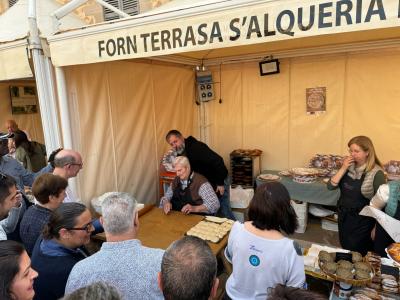
Santanyí
More Fotos