What is the history behind the architecture in Peguera?
Similar Topics
Peguera architecture
Mallorca history
Mediterranean style
tourism in Mallorca
Peguera resort town
traditional Mallorcan fincas
modernist architecture
local materials in architecture
coastal views in Peguera
Peguera tourist destination
Peguera, a charming resort town on the southwest coast of Mallorca, boasts a rich architectural history that reflects the island's diverse influences over the centuries. Initially established as a fishing village, Peguera's development accelerated in the 1960s when tourism blossomed in Mallorca. This shift led to the construction of various hotels, apartment complexes, and amenities designed to cater to an influx of visitors. The architecture from this era often features a mix of modernist elements alongside traditional Mediterranean styles, showcasing the island's adaptation to contemporary needs while maintaining its cultural essence.
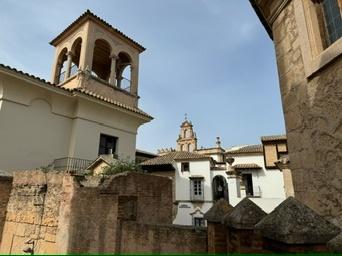
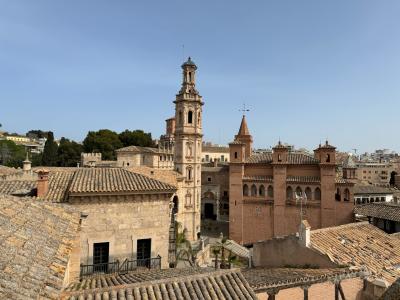
As you stroll through Peguera, you'll notice the distinctive use of local materials such as limestone and clay tiles, which not only enhance the aesthetic appeal but also ensure that the buildings blend harmoniously with the surrounding landscape. The influence of the Mediterranean climate is evident in the design of the structures, with features like shaded terraces, arched windows, and vibrant gardens that invite outdoor living. Additionally, there are remnants of older architectural styles, including some traditional Mallorcan fincas, which provide a glimpse into the island's agricultural past.
The town also reflects a broader architectural narrative seen across Mallorca, where rural and coastal styles intermingle. This interplay is particularly fascinating in Peguera, where modern resorts coexist alongside quaint, older buildings. The style is largely characterized by clean lines and open spaces, promoting a laid-back lifestyle that complements the stunning coastal views. Overall, Peguera's architecture tells a story of evolution, showcasing the island's transition from a quiet fishing haven to a bustling tourist destination while preserving its unique cultural identity.
As you stroll through Peguera, you'll notice the distinctive use of local materials such as limestone and clay tiles, which not only enhance the aesthetic appeal but also ensure that the buildings blend harmoniously with the surrounding landscape. The influence of the Mediterranean climate is evident in the design of the structures, with features like shaded terraces, arched windows, and vibrant gardens that invite outdoor living. Additionally, there are remnants of older architectural styles, including some traditional Mallorcan fincas, which provide a glimpse into the island's agricultural past.
The town also reflects a broader architectural narrative seen across Mallorca, where rural and coastal styles intermingle. This interplay is particularly fascinating in Peguera, where modern resorts coexist alongside quaint, older buildings. The style is largely characterized by clean lines and open spaces, promoting a laid-back lifestyle that complements the stunning coastal views. Overall, Peguera's architecture tells a story of evolution, showcasing the island's transition from a quiet fishing haven to a bustling tourist destination while preserving its unique cultural identity.
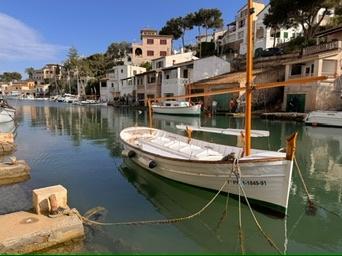
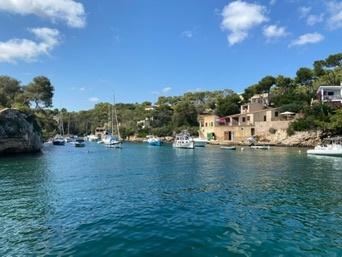
Cala Figuera
More Fotos