When are jellyfish most commonly seen off Mallorca's beaches?
Similar Topics
jellyfish season
mallorca beaches
mediterranean jellyfish
es trenc
formentor jellyfish
beach safety
tramuntana coast
summer swimming
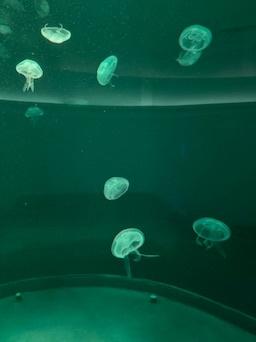
Jellyfish tend to appear more frequently in the waters around the island during the warmer months, generally from late spring through early autumn. As the sea temperature rises, the conditions become better suited for jellyfish to breed and grow, leading to increased sightings particularly from May to September. Popular swimming spots such as Es Trenc or Cala Mondrago sometimes report more jellyfish during these months.
Certain species have their own seasonal peaks; for example, the larger Pelagia noctiluca jellyfish, known for its purple hues, is often spotted in late summer along the north coast near Formentor. Local currents around the Serra de Tramuntana and variations in salinity can also affect where and when jellyfish congregate. Occasional blooms can cause beach closures or warnings, particularly on popular beaches near Palma or Alcudia.
If you’re planning to enjoy the island’s coastline during high season, it’s wise to consult local beach safety notices or ask at the lifeguard stations. While most jellyfish here are not dangerous, some can deliver painful stings. Watching from a distance and using stinger-friendly swimwear can help ensure a safe and pleasant experience in the warm Mediterranean waters.
Certain species have their own seasonal peaks; for example, the larger Pelagia noctiluca jellyfish, known for its purple hues, is often spotted in late summer along the north coast near Formentor. Local currents around the Serra de Tramuntana and variations in salinity can also affect where and when jellyfish congregate. Occasional blooms can cause beach closures or warnings, particularly on popular beaches near Palma or Alcudia.
If you’re planning to enjoy the island’s coastline during high season, it’s wise to consult local beach safety notices or ask at the lifeguard stations. While most jellyfish here are not dangerous, some can deliver painful stings. Watching from a distance and using stinger-friendly swimwear can help ensure a safe and pleasant experience in the warm Mediterranean waters.
Es Pil·larí
More Fotos