How does archaeology influence the exhibits in Palma's museums?
Similar Topics
archaeology palma
manacor sites
talayotic culture
museum exhibitions
prehistoric mallorca
romanesque artifacts
serra de tramuntana
alcudia ruins
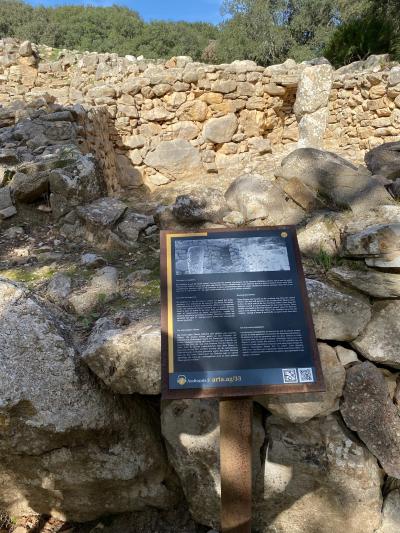
The archaeological discoveries across the island are central to many of Palma’s museums, bringing the ancient past vividly to life. Excavations in places such as the Talayotic sites near Manacor reveal stone structures and artifacts that shed light on early Mallorcan societies long before Roman and Arab influences shaped the island. These finds allow museums like the Museu d’Història de Palma to present layers of history that deepen visitors’ understanding of local culture and evolution.
Visitors can see pottery shards, tools, and architectural fragments recovered from around the Serra de Tramuntana and the northeast coast, which offer tangible connections to prehistoric and Roman times. The careful curation of such objects in exhibition spaces helps convey a sense of the island's complex heritage, not just through isolated artifacts but by illustrating how people once lived, worked, and interacted with their environment.
Beyond permanent displays, temporary exhibitions often highlight recent archaeological work, sometimes showcasing new excavations near Alcudia’s Roman ruins or findings related to Talaiotic fortresses around Pollenca. These presentations keep the story dynamic, encouraging visitors to appreciate ongoing research and its role in preserving Mallorca’s unique history. The emphasis on archaeology enriches the cultural experience by connecting the past directly with today’s communities and their traditions.
Visitors can see pottery shards, tools, and architectural fragments recovered from around the Serra de Tramuntana and the northeast coast, which offer tangible connections to prehistoric and Roman times. The careful curation of such objects in exhibition spaces helps convey a sense of the island's complex heritage, not just through isolated artifacts but by illustrating how people once lived, worked, and interacted with their environment.
Beyond permanent displays, temporary exhibitions often highlight recent archaeological work, sometimes showcasing new excavations near Alcudia’s Roman ruins or findings related to Talaiotic fortresses around Pollenca. These presentations keep the story dynamic, encouraging visitors to appreciate ongoing research and its role in preserving Mallorca’s unique history. The emphasis on archaeology enriches the cultural experience by connecting the past directly with today’s communities and their traditions.

Son Bauló
More Fotos

Related Questions
Related Question
What are some quieter, family-friendly beaches on the island where we can avoid crowds?
Related Question
What is the historical significance of Palma and the surrounding towns on the island?
Related Question
Where are the best hiking routes on the island to see local wildlife and scenic landscapes?