What architectural styles define the towns and villages around Mallorca?
Similar Topics
mallorca architecture
valldemossa style
palma gothic
tramuntana villages
majorcan farmhouses
art nouveau mallorca
pollença buildings
mediterranean design
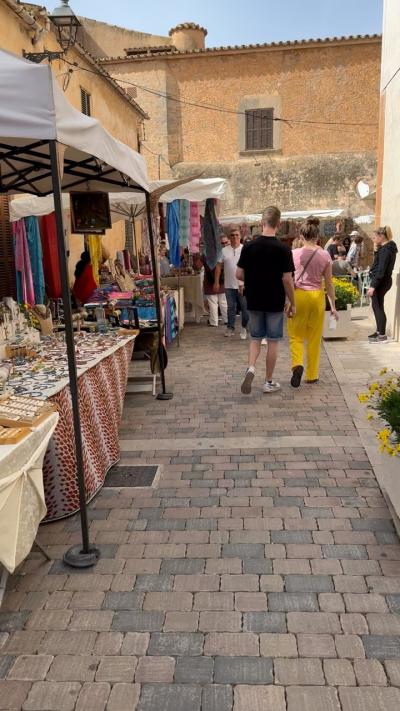
Wandering through Palma and the Tramuntana villages, you’ll find a fascinating dialogue between centuries-old traditions and touches of Mediterranean flair. In towns like Valldemossa and Deià, rustic stone houses with terracotta roofs and exposed wooden beams recall the island’s Moorish and Gothic past, their muted earth tones blending seamlessly with the dramatic Serra de Tramuntana landscape. Narrow cobbled lanes and wrought iron balconies, often adorned with bougainvillea, add to the timeless charm that defines much of the island’s historic architecture.
Meanwhile, in Palma, the city’s architectural tapestry expands to include Catalan Gothic masterpieces such as La Seu Cathedral, alongside stately Renaissance and Baroque palaces, giving the old town a grandeur that contrasts with its more modest townhouses. Some early 20th-century Modernisme and Art Nouveau influences pepper the city streets, though these are subtler than in Barcelona, often seen in decorative tiles and ironwork. As you venture to the north coast, towns like Pollença showcase classic Majorcan farmhouses with thick stone walls and wooden shutters, reflecting a practical rural heritage.
On the coast, especially around Port d’Alcúdia and Cala Llombards, you’ll also notice contemporary villas and resorts that incorporate traditional elements—stone façades, wooden pergolas—designed to harmonize with their natural surroundings. This blending is a hallmark throughout the island, balancing preservation with the demands of modern life, giving visitors a layered experience where each village tells a story in stone, tile, and timber.
Meanwhile, in Palma, the city’s architectural tapestry expands to include Catalan Gothic masterpieces such as La Seu Cathedral, alongside stately Renaissance and Baroque palaces, giving the old town a grandeur that contrasts with its more modest townhouses. Some early 20th-century Modernisme and Art Nouveau influences pepper the city streets, though these are subtler than in Barcelona, often seen in decorative tiles and ironwork. As you venture to the north coast, towns like Pollença showcase classic Majorcan farmhouses with thick stone walls and wooden shutters, reflecting a practical rural heritage.
On the coast, especially around Port d’Alcúdia and Cala Llombards, you’ll also notice contemporary villas and resorts that incorporate traditional elements—stone façades, wooden pergolas—designed to harmonize with their natural surroundings. This blending is a hallmark throughout the island, balancing preservation with the demands of modern life, giving visitors a layered experience where each village tells a story in stone, tile, and timber.

More Fotos



Related Questions
Related Question
Are there any nearby restaurants or cafes where families can eat after visiting the Santuari de Santa Magdalena?
Related Question
How can I visit seaside archaeological sites on Mallorca?
Related Question
Are there any lesser-known towns or spots on the island worth exploring beyond the popular tourist trails?