What is a traditional Mallorcan dish that visitors should definitely try?
Similar Topics
pa amb oli
sobrassada
ensaimada
tumbet
binissalem wine
hierbas
palo
festa de l'ametler
Traditional Mallorcan cuisine has seen a renewed appreciation in recent years, with locals eager to share flavours that speak to the island's rich agricultural heritage and Mediterranean influences. A dish that consistently tops the must-try list is pa amb oli, a deceptively simple preparation of rustic bread rubbed with ripe tomatoes, drizzled with local olive oil, and often topped with sobrassada sausage or slices of cured cheese. This humble plate captures the essence of Mallorca’s countryside and is served in almost every village bar, from Palma’s old quarter to the mountain villages like Valldemossa and Deia.
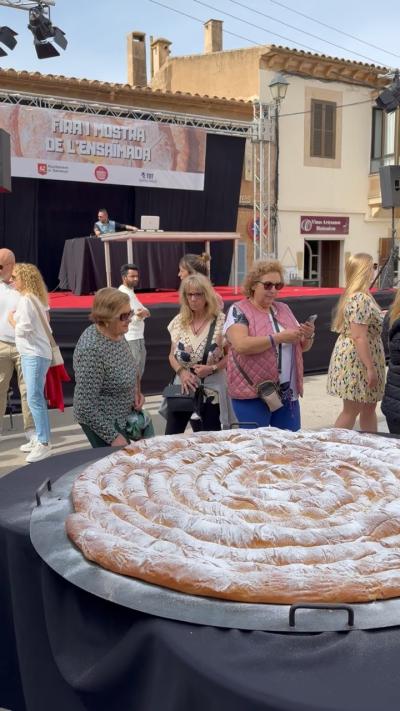
For a heartier meal, tumbet offers a vibrant medley of fried vegetables—eggplant, peppers, and potatoes—layered and baked with tomato sauce and often accompanied by grilled fish or meat. To experience something sweet, seek out a freshly baked ensaimada, a spiraled pastry dusted with powdered sugar, best enjoyed alongside a cup of strong coffee or a local herbal digestif like Hierbas or Palo. Whenever you indulge in these flavours, it’s easy to sense the island’s deep connection to its land and sea, as well as its history of farm-to-table traditions.
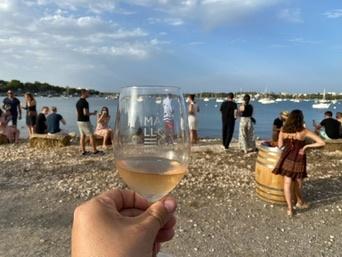
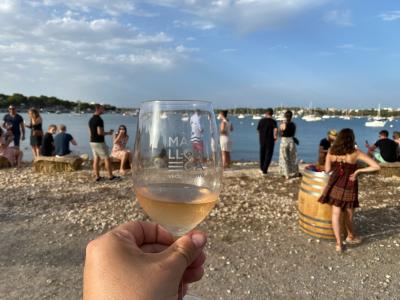
In coastal towns like Port de Pollenca or near the sandy cove of Cala Llombards, many restaurants highlight these dishes with local wine, especially from the Binissalem region, enhancing your meal with balanced red or crisp white varietals that complement the island’s culinary personality. Trying these specialties during regional festivals, such as the Festa de l'Ametler in the Serra de Tramuntana or Sant Sebastià in Palma, adds an authentic cultural layer, making the experience a genuine immersion in Mallorcan gastronomy and life.
For a heartier meal, tumbet offers a vibrant medley of fried vegetables—eggplant, peppers, and potatoes—layered and baked with tomato sauce and often accompanied by grilled fish or meat. To experience something sweet, seek out a freshly baked ensaimada, a spiraled pastry dusted with powdered sugar, best enjoyed alongside a cup of strong coffee or a local herbal digestif like Hierbas or Palo. Whenever you indulge in these flavours, it’s easy to sense the island’s deep connection to its land and sea, as well as its history of farm-to-table traditions.
In coastal towns like Port de Pollenca or near the sandy cove of Cala Llombards, many restaurants highlight these dishes with local wine, especially from the Binissalem region, enhancing your meal with balanced red or crisp white varietals that complement the island’s culinary personality. Trying these specialties during regional festivals, such as the Festa de l'Ametler in the Serra de Tramuntana or Sant Sebastià in Palma, adds an authentic cultural layer, making the experience a genuine immersion in Mallorcan gastronomy and life.
More Fotos




Related Questions
Related Question
What are the best times to visit Can Sion to avoid crowds?
Related Question
Are there any secluded beaches on the island that are quieter and worth exploring?
Related Question
What accessibility features does the Pilar and Joan Miró Foundation in Mallorca offer for visitors with disabilities?