How do the flavors in Mallorcan cooking differ from other Spanish regions?
Similar Topics
Mallorcan cooking
Spanish cuisine
Mediterranean flavors
local ingredients
tumbet recipe
ensaimada pastry
sobrasada sausage
food traditions Mallorca
culinary influences Mallorca
Mallorca travel
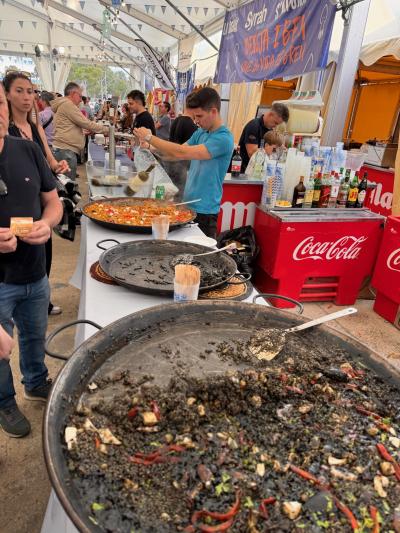
Mallorcan cooking is a delightful reflection of the island's unique geography and cultural influences, setting it apart from other Spanish regions. One of the most significant differences lies in its emphasis on fresh, locally sourced ingredients. The Mediterranean climate fosters an abundance of fruits, vegetables, and herbs, such as almonds, olives, and saffron, which are staples in Mallorcan cuisine. Unlike the spicier dishes of Andalusia or the seafood-centric offerings of Galicia, Mallorcan flavors are often more subtle, focusing on the natural sweetness of produce and the richness of local meats, particularly lamb and pork.
Another distinctive feature of Mallorcan cooking is the use of rustic, hearty dishes that tell the story of the island's agricultural traditions. One of the most iconic dishes is "tumbet," a vegetable medley layered with potatoes and eggplant, often served as a side or a main dish. The island's famous "ensaimada," a sweet pastry, is another example of how local ingredients and techniques come together to create something uniquely Mallorcan. Additionally, the use of "sobrasada," a spreadable cured sausage seasoned with paprika, adds a depth of flavor that is characteristic of the island but less common in other parts of Spain.
The culinary traditions of Mallorca have also been influenced by the various cultures that have settled on the island over centuries, including the Moors and the Catalans. This melding of influences is evident in the use of spices and cooking techniques, which can be more aromatic and fragrant compared to the more straightforward flavors found in the northern regions of Spain. Overall, the flavors of Mallorcan cooking are a testament to the island's rich history, making it a delicious destination for food lovers seeking to experience something distinct and authentic.
Another distinctive feature of Mallorcan cooking is the use of rustic, hearty dishes that tell the story of the island's agricultural traditions. One of the most iconic dishes is "tumbet," a vegetable medley layered with potatoes and eggplant, often served as a side or a main dish. The island's famous "ensaimada," a sweet pastry, is another example of how local ingredients and techniques come together to create something uniquely Mallorcan. Additionally, the use of "sobrasada," a spreadable cured sausage seasoned with paprika, adds a depth of flavor that is characteristic of the island but less common in other parts of Spain.
The culinary traditions of Mallorca have also been influenced by the various cultures that have settled on the island over centuries, including the Moors and the Catalans. This melding of influences is evident in the use of spices and cooking techniques, which can be more aromatic and fragrant compared to the more straightforward flavors found in the northern regions of Spain. Overall, the flavors of Mallorcan cooking are a testament to the island's rich history, making it a delicious destination for food lovers seeking to experience something distinct and authentic.

More Fotos