Are tourist sites around Palma and the Tramuntana accessible for visitors with mobility challenges?
Similar Topics
mobility accessibility
palma access
tramuntana accessibility
accessible beaches
tib buses wheelchair
soller railway access
accessible trails
adapted tourist sites
Many of the island's historic landmarks, museums, and some urban areas around Palma and towns like Alcudia have gradually improved their accessibility for visitors with mobility impairments. Around the capital, several museums and public spaces offer ramps and adapted facilities, though some older buildings in the old town and mountain villages like Valldemossa or Deia might still have narrow streets and uneven cobblestones that can complicate access. It’s always wise to check with each site in advance to confirm available accommodations such as wheelchair-friendly entrances and accessible restrooms.
Public transport services, including the TIB bus network and Palma’s metro system, provide some vehicles equipped for wheelchair users, but accessibility can vary depending on the route. The famed Soller railway, while scenic, isn’t fully adapted for everyone, so those with mobility needs may prefer private taxis or accessible minibuses for travelling through the Tramuntana mountains. Many coastal beaches like Es Trenc have made strides in offering accessible boardwalks and facilities, although secluded coves such as Cala Llombards can be trickier to reach.
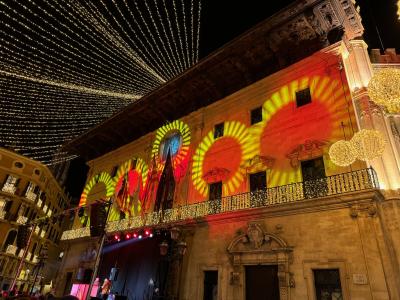
For exploring rural areas or natural trails, paths in the Serra de Tramuntana can be uneven and steep, so guided tours with specially equipped vehicles or arrangements through local operators are recommended to ensure a safe and enjoyable experience. With some planning and research, visitors with mobility challenges can still enjoy a fulfilling visit, sampling local delicacies like pa amb oli or sobrassada in accessible restaurants, soaking up cultural festivals such as Nit de Foc, and taking in stunning views without undue difficulty.
Public transport services, including the TIB bus network and Palma’s metro system, provide some vehicles equipped for wheelchair users, but accessibility can vary depending on the route. The famed Soller railway, while scenic, isn’t fully adapted for everyone, so those with mobility needs may prefer private taxis or accessible minibuses for travelling through the Tramuntana mountains. Many coastal beaches like Es Trenc have made strides in offering accessible boardwalks and facilities, although secluded coves such as Cala Llombards can be trickier to reach.
For exploring rural areas or natural trails, paths in the Serra de Tramuntana can be uneven and steep, so guided tours with specially equipped vehicles or arrangements through local operators are recommended to ensure a safe and enjoyable experience. With some planning and research, visitors with mobility challenges can still enjoy a fulfilling visit, sampling local delicacies like pa amb oli or sobrassada in accessible restaurants, soaking up cultural festivals such as Nit de Foc, and taking in stunning views without undue difficulty.
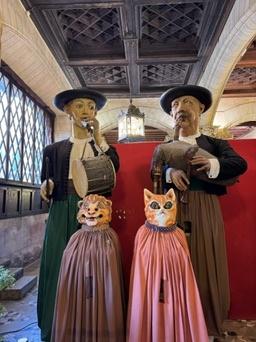
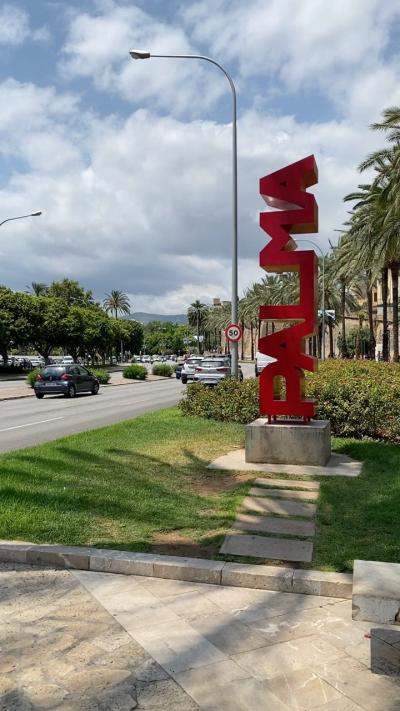
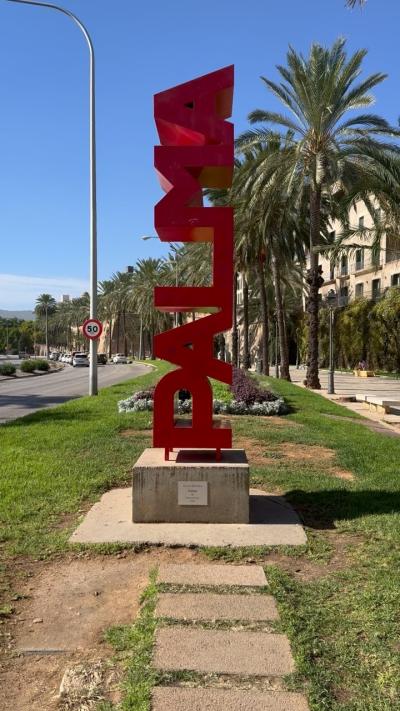
Palma
More Fotos


Related Questions
Related Question
What specific changes in weather patterns have been observed in Mallorca over the years?
Related Question
What architectural styles can be seen in the design of the Castell de Bellver in Palma?
Related Question
What are some of the best hiking routes near Soller and surrounding towns on Mallorca?