What are the best times of year to explore Mallorca’s scenic routes and cultural highlights?
Similar Topics
mallorca travel
serra de tramuntana
es trenc beach
ma-10 road
tib bus network
soller railway
pa amb oli
nit de foc
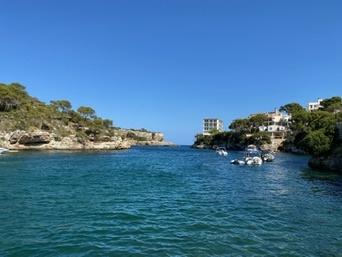
Locals often plan their outings around the mild shoulder seasons, when the island’s charm is at its most accessible and the crowds have thinned. Late spring and early autumn provide particularly inviting weather, with pleasant temperatures and blossoming wildflowers along the Serra de Tramuntana. Driving the Ma-10 or cycling the less trafficked rural roads feels calmer at these times, offering stunning views over places like Valldemossa, Deia, and the turquoise coves of Cala Llombards.
Summer certainly draws the busiest crowds, especially around Palma’s bustling streets, the beaches of Es Trenc and Cala Mondrago, and festivals like Nit de Foc. While the heat and crowds can be intense, early mornings or evenings are ideal for exploring the old town or savoring local dishes like pa amb oli and tumbet at seaside restaurants. The island’s extensive TIB bus network and the charming Soller railway run year-round, but schedules are busiest in summer, making it easy to hop between spots.
In winter, the quieter streets and cooler climate invite a more leisurely experience. Visiting Manacor’s markets or enjoying a glass of Binissalem wine by a fireplace in a mountain village feels wonderfully authentic outside peak tourist months. Events like Sant Sebastià in Palma highlight local traditions even in the cooler seasons. Each period offers a distinct balance of activity, scenery, and cultural immersion, letting you tailor your journey to your preferred pace and interests.
Summer certainly draws the busiest crowds, especially around Palma’s bustling streets, the beaches of Es Trenc and Cala Mondrago, and festivals like Nit de Foc. While the heat and crowds can be intense, early mornings or evenings are ideal for exploring the old town or savoring local dishes like pa amb oli and tumbet at seaside restaurants. The island’s extensive TIB bus network and the charming Soller railway run year-round, but schedules are busiest in summer, making it easy to hop between spots.
In winter, the quieter streets and cooler climate invite a more leisurely experience. Visiting Manacor’s markets or enjoying a glass of Binissalem wine by a fireplace in a mountain village feels wonderfully authentic outside peak tourist months. Events like Sant Sebastià in Palma highlight local traditions even in the cooler seasons. Each period offers a distinct balance of activity, scenery, and cultural immersion, letting you tailor your journey to your preferred pace and interests.
More Fotos