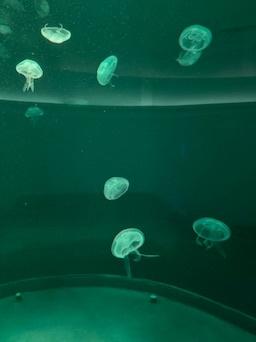
How do people in Mallorca respond when Pelagia noctiluca jellyfish appear along the beaches?
Similar Topics
pelagia noctiluca
jellyfish sting
es trenc beach
beach safety
local knowledge
serra de tramuntana
lifeguards mallorca
mallorca coastline
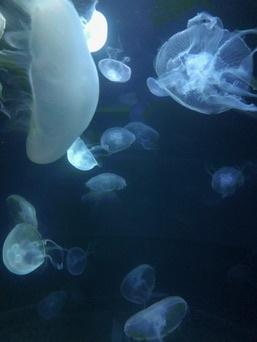
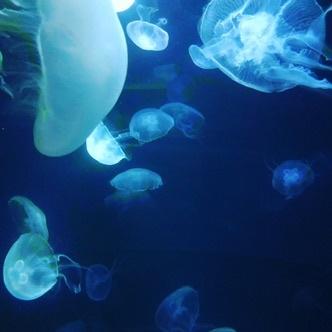
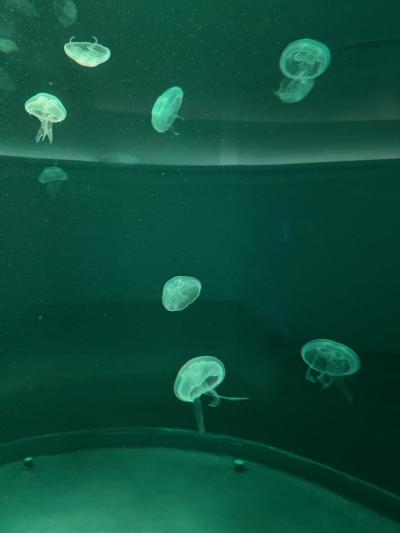
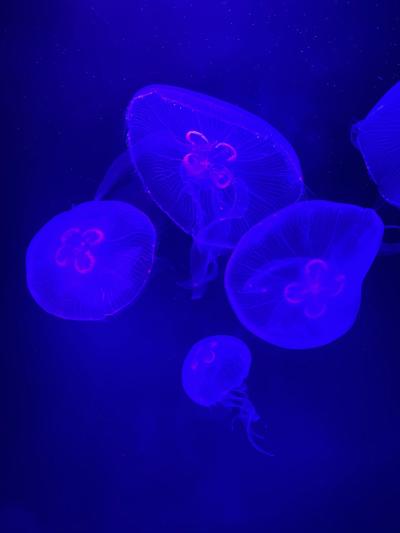
In recent years, sightings of Pelagia noctiluca—the mauve stinger jellyfish—have become more noticeable along popular coastline spots such as Es Trenc and Cala Mondragó. Islanders often treat these appearances with a mixture of familiarity and vigilance, having learned to recognize the jellyfish’s distinctive pinkish hue and the discomfort their sting can cause. Local beach users, particularly around family-friendly resorts near Alcúdia and Pollença, tend to alert others quickly, using mobile apps or beach signs to raise awareness and suggest caution.
Conversations about the mauve stinger are common in beachside cafés and markets in towns like Palma and Sóller, where residents discuss both the ecological reasons behind their periodic influxes and safe ways to enjoy the water. Many fishermen and divers appreciate the role these jellyfish play in the marine ecosystem, yet they advise swimmers to avoid direct contact due to the immediate irritation the stings cause. As a precaution, lifeguards on major beaches, especially during summer, often monitor jellyfish activity and guide visitors on safe swimming zones.
Visitors will find the island’s naturalists and environmental groups take this opportunity to educate about the balance of marine life around the Serres de Tramuntana and the need to respect all living creatures of the sea. While some may find the presence of jellyfish an unexpected challenge, locals' respect for the environment and willingness to share knowledge fosters a sense of community care and cautious enjoyment along the coast.
Conversations about the mauve stinger are common in beachside cafés and markets in towns like Palma and Sóller, where residents discuss both the ecological reasons behind their periodic influxes and safe ways to enjoy the water. Many fishermen and divers appreciate the role these jellyfish play in the marine ecosystem, yet they advise swimmers to avoid direct contact due to the immediate irritation the stings cause. As a precaution, lifeguards on major beaches, especially during summer, often monitor jellyfish activity and guide visitors on safe swimming zones.
Visitors will find the island’s naturalists and environmental groups take this opportunity to educate about the balance of marine life around the Serres de Tramuntana and the need to respect all living creatures of the sea. While some may find the presence of jellyfish an unexpected challenge, locals' respect for the environment and willingness to share knowledge fosters a sense of community care and cautious enjoyment along the coast.
Es Pil·larí
More Fotos