How do the soil types around the Serra de Tramuntana affect the native plants there?
Similar Topics
serra de tramuntana
mallorca flora
limestone soil
macchia plants
gariga shrubs
mediterranean vegetation
ma-10 road
drought resistant plants
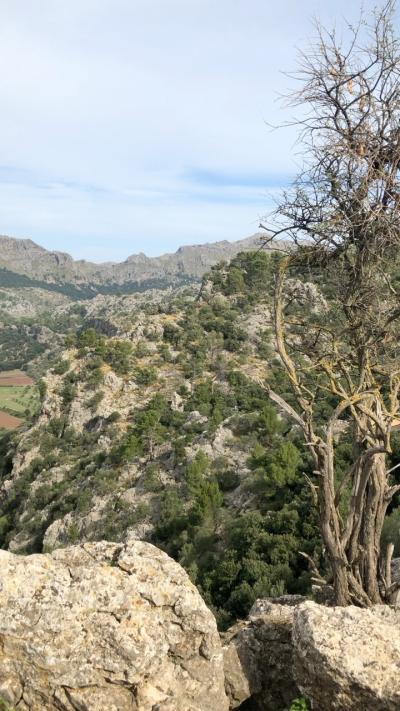
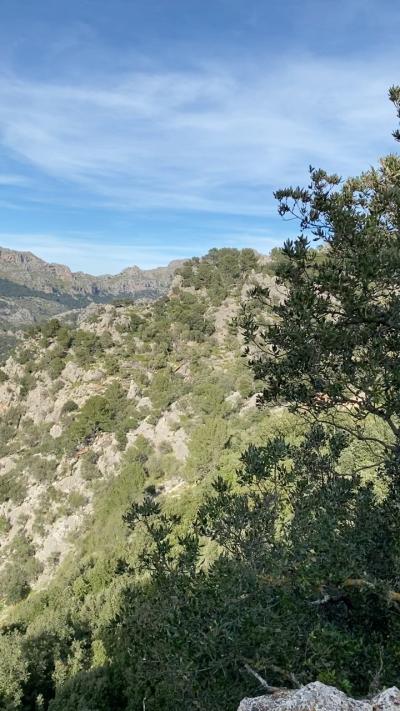
The rocky, limestone soils along the Serra de Tramuntana are key to the island’s distinctive landscape and vegetation. These soils tend to be shallow and well-drained, encouraging aromatic Mediterranean shrubs like rosemary, lavender, and juniper to flourish. Many of the plants have evolved tough, drought-resistant leaves to cope with the dry summers and nutrient-poor conditions, contributing to the rugged charm of the mountainsides. In spots where clay or deeper soil gathers, you’ll find small oaks and holm oaks forming pockets of green amidst the stone.
On the drier, more exposed southern slopes of the Tramuntana, the soil shifts to a more alkaline, rocky mix that supports sparser shrubland and hardy grasses. This contrast results in a patchwork of habitats: dense macchia with fragrant herbs up high, and the open, scrubby gariga dotted with thyme and wild legumes below. As you navigate winding routes such as the Ma-10, the variety of local flora reveals how the island’s geology and soil chemistry shape a resilient, wildly beautiful environment. Exploring the walking paths here offers insight into the subtle botanical balance woven into the terrain.
On the drier, more exposed southern slopes of the Tramuntana, the soil shifts to a more alkaline, rocky mix that supports sparser shrubland and hardy grasses. This contrast results in a patchwork of habitats: dense macchia with fragrant herbs up high, and the open, scrubby gariga dotted with thyme and wild legumes below. As you navigate winding routes such as the Ma-10, the variety of local flora reveals how the island’s geology and soil chemistry shape a resilient, wildly beautiful environment. Exploring the walking paths here offers insight into the subtle botanical balance woven into the terrain.

Sa Calobra
More Fotos