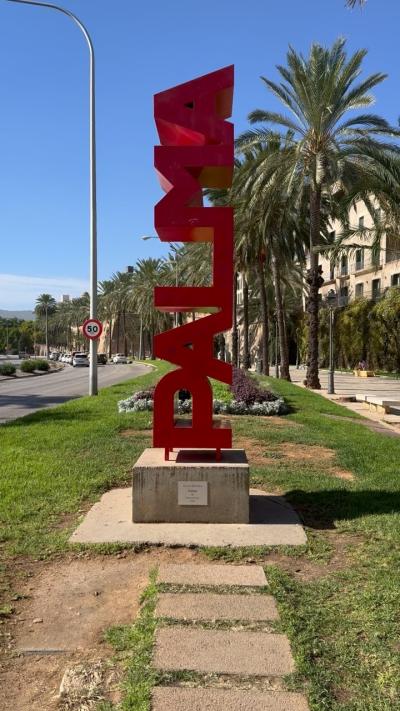
How accessible are Palma's historic sites for travellers with limited mobility?
Similar Topics
palma accessibility
historic sites
mobility challenges
palma cathedral
tib buses
wheelchair friendly
valldemossa access
soller railway
Palma's old town, with its winding streets and storied corners, presents a charming but sometimes tricky terrain for visitors with mobility challenges. While areas around the majestic Palma Cathedral and the bustling Plaça Major have been gradually adapted with smoother pavements and ramps, many narrow alleys retain their original stone surfaces that can be uneven underfoot. The broad, flat promenades along the harbor also offer easier navigation and picturesque views without steep inclines.
Outside the city centre, some attractions, like the Soller railway station, provide good access, but exploring hillside villages such as Valldemossa or Deià can require careful planning due to their steep, cobbled streets. The island’s TIB bus network includes low-floor vehicles and priority spaces for wheelchair users, making getting between towns more feasible. Renting mobility aids or consulting local tourism offices about accessibility can enhance the experience.
While historic sites in Palma are not all fully adapted, a thoughtful itinerary focusing on accessible highlights can still offer a rich taste of Balearic culture and history. It’s wise to check in advance with individual museums or landmarks about access and assistance. With some preparation, visitors with mobility needs can enjoy the city’s vibrant history along with its renowned local dishes like pa amb oli and Ensaimada in accessible cafes.
Outside the city centre, some attractions, like the Soller railway station, provide good access, but exploring hillside villages such as Valldemossa or Deià can require careful planning due to their steep, cobbled streets. The island’s TIB bus network includes low-floor vehicles and priority spaces for wheelchair users, making getting between towns more feasible. Renting mobility aids or consulting local tourism offices about accessibility can enhance the experience.
While historic sites in Palma are not all fully adapted, a thoughtful itinerary focusing on accessible highlights can still offer a rich taste of Balearic culture and history. It’s wise to check in advance with individual museums or landmarks about access and assistance. With some preparation, visitors with mobility needs can enjoy the city’s vibrant history along with its renowned local dishes like pa amb oli and Ensaimada in accessible cafes.
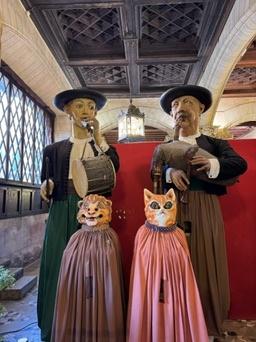
Palma
More Fotos