Which beaches on the island are famous for their unusual rock formations and scenic coastlines?
Similar Topics
formentor beach
cala mondragó
cala llombards
es trenc
serra de tramuntana
ma-10 road
tib buses
mallorca beaches
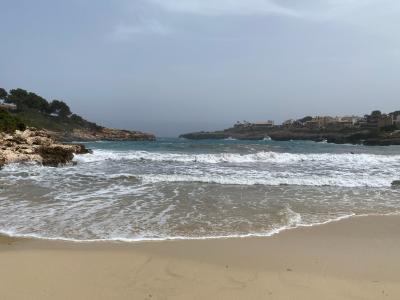
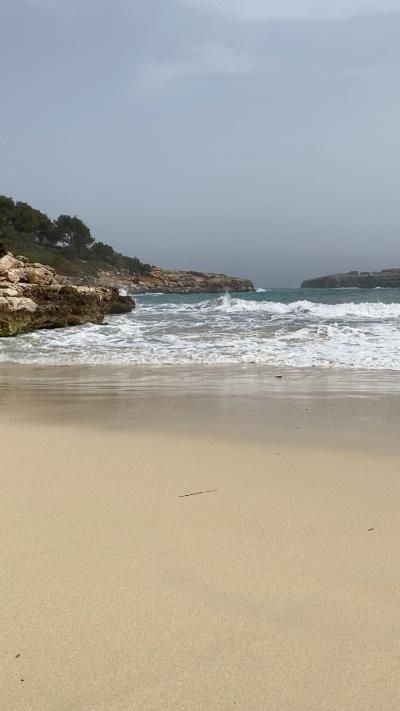
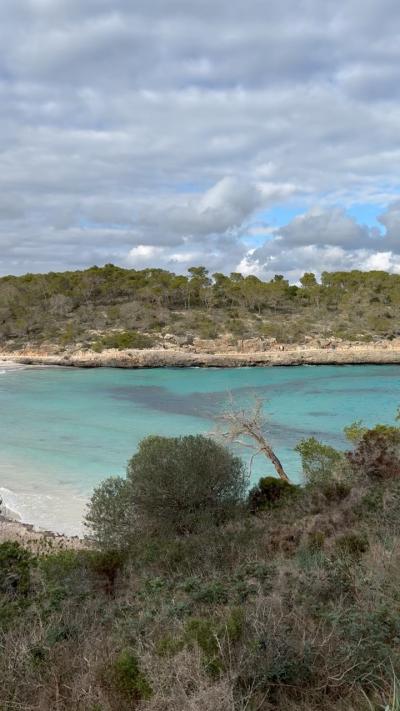
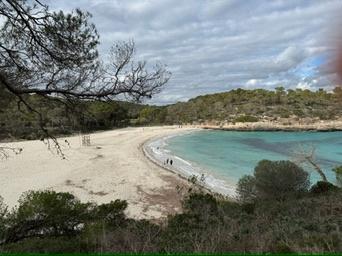
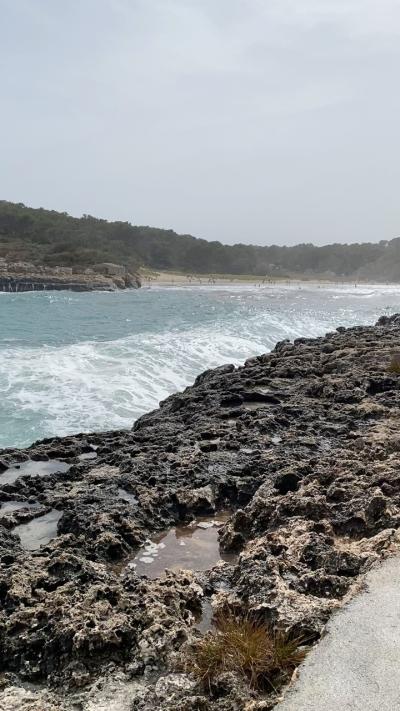
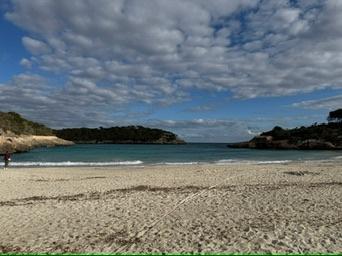
One of the best ways to admire Mallorca’s dramatic coastal geology is by visiting Formentor Beach, where sheer cliffs plunge into the turquoise waters, and the rocky headlands provide spectacular viewpoints. The beach itself is backed by pine woods and offers striking contrasts between creamy sand and rugged rocks shaped by centuries of sea winds. Down on the south coast, Cala Mondragó features a picturesque cove surrounded by limestone outcrops that create intimate swimming spots and natural rock pools, ideal for snorkelling and quiet exploration.
Cala Llombards, near Santanyí, is also renowned for its crystal-clear waters framed by jagged cliffs and unusual rock formations that invite photography and peaceful relaxation alike. For those keen on a vibrant landscape combined with unusual terrain, Es Trenc’s pristine white sands meet low dunes and shallow salt flats, offering another kind of natural wonder. Inland, the Serra de Tramuntana casts a dramatic backdrop with its steep limestone ridges and terraced slopes, seen clearly from the Ma-10 road as it winds along the northwest coast towards Sóller and Deia.
Exploring these varied coastal landscapes can easily be done by car along the island’s scenic roads like the Ma-13 or Ma-19, or by hopping on the TIB bus routes linking major towns to beaches. Whether you’re hiking cliffside trails in the Tramuntana or simply basking in the warm Mediterranean sun beside unusual rock formations, the island’s beaches offer countless opportunities to witness nature’s sculpted artistry up close.
Cala Llombards, near Santanyí, is also renowned for its crystal-clear waters framed by jagged cliffs and unusual rock formations that invite photography and peaceful relaxation alike. For those keen on a vibrant landscape combined with unusual terrain, Es Trenc’s pristine white sands meet low dunes and shallow salt flats, offering another kind of natural wonder. Inland, the Serra de Tramuntana casts a dramatic backdrop with its steep limestone ridges and terraced slopes, seen clearly from the Ma-10 road as it winds along the northwest coast towards Sóller and Deia.
Exploring these varied coastal landscapes can easily be done by car along the island’s scenic roads like the Ma-13 or Ma-19, or by hopping on the TIB bus routes linking major towns to beaches. Whether you’re hiking cliffside trails in the Tramuntana or simply basking in the warm Mediterranean sun beside unusual rock formations, the island’s beaches offer countless opportunities to witness nature’s sculpted artistry up close.
Son Moro
More Fotos