What makes the construction of the Sóller train railway unique and interesting?
Similar Topics
sóller train
serra de tramuntana
historic railway
narrow-gauge track
palma to sóller
mallorca trains
tib public transport
train tunnels
Built over a century ago, the Sóller train line is a marvel of early 20th-century engineering that connects Palma with the picturesque town of Sóller through the rugged Serra de Tramuntana. Unlike many modern railways, this line was carved through challenging mountain terrain, necessitating the construction of several tunnels and bridges along the route, including the famous tunnel near the outskirts of Palma. The narrow-gauge track, designed to negotiate steep gradients and sharp curves, required precise planning and innovative solutions for its time.
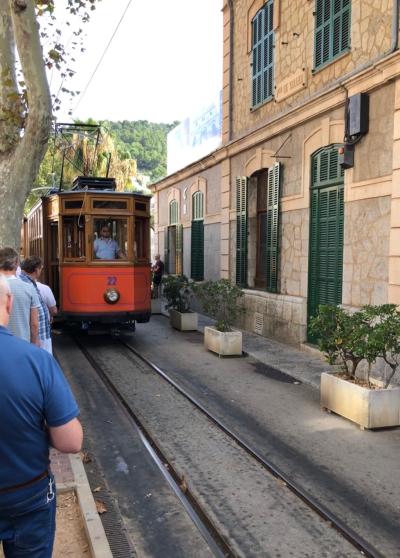
Another intriguing aspect is the preservation of its historic character. Many of the original wooden carriages and classic red trains continue to run, offering a charming blend of nostalgia and practicality for both locals and visitors. This heritage railway not only serves as a scenic transport option but also reflects the island’s commitment to maintaining its cultural landmarks. Running alongside olive groves and orange orchards, the route is as much about the journey as the destination, showcasing Mallorca’s diverse natural beauty.
The construction also highlights the technical challenges faced without modern machinery. Workers manually blasted rock to create tunnels and laid tracks in a mountainous area where road access was limited. Today, the train is part of the island’s public TIB network, allowing travellers to combine rail travel with bus connections to explore nearby villages like Deià and Valldemossa. This railway is more than just infrastructure; it’s a living piece of Mallorca’s history interwoven with the landscape it traverses.
Another intriguing aspect is the preservation of its historic character. Many of the original wooden carriages and classic red trains continue to run, offering a charming blend of nostalgia and practicality for both locals and visitors. This heritage railway not only serves as a scenic transport option but also reflects the island’s commitment to maintaining its cultural landmarks. Running alongside olive groves and orange orchards, the route is as much about the journey as the destination, showcasing Mallorca’s diverse natural beauty.
The construction also highlights the technical challenges faced without modern machinery. Workers manually blasted rock to create tunnels and laid tracks in a mountainous area where road access was limited. Today, the train is part of the island’s public TIB network, allowing travellers to combine rail travel with bus connections to explore nearby villages like Deià and Valldemossa. This railway is more than just infrastructure; it’s a living piece of Mallorca’s history interwoven with the landscape it traverses.

More Fotos