What historical sites or landmarks are must-visits for understanding Mallorca's heritage?
Similar Topics
Mallorca heritage
Palma Cathedral
Almudaina Palace
Alcúdia Roman ruins
Pollentia ancient city
Capdepera Talaiotic settlement
Carthusian Monastery Valldemossa
Frédéric Chopin Mallorca
Mallorca history
medieval walls Alcúdia
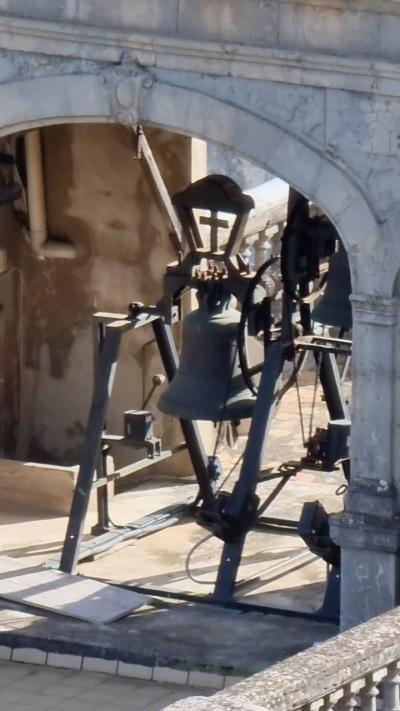
Mallorca is rich in history, and to truly understand its heritage, a visit to the capital, Palma, is essential. The magnificent Cathedral of Santa Maria, commonly known as La Seu, stands as a testament to the island's Gothic architecture. This iconic landmark, built between the 13th and 17th centuries, offers breathtaking views of the bay and showcases stunning stained glass windows that illuminate the interior with vibrant colors. Nearby, the Almudaina Palace, originally a Moorish fortress, reflects the island's diverse cultural influences and serves as a royal residence. Strolling through the old town, you’ll discover narrow streets lined with charming buildings and historic sites that tell the story of Mallorca’s past.
Venturing beyond Palma, the town of Alcúdia is steeped in history, featuring well-preserved Roman ruins such as the ancient city of Pollentia. Exploring these ruins allows visitors to immerse themselves in the island’s Roman heritage, with remnants of temples, forums, and homes that paint a picture of daily life during that era. Additionally, the medieval walls surrounding the town provide a glimpse into Alcúdia's strategic importance during the Middle Ages. Another site worth visiting is the Talaiotic settlement of Capdepera, where ancient stone structures called talaiots date back to the prehistoric period, offering insight into the island's earlier inhabitants and their way of life.
For a more recent chapter in Mallorca's history, a visit to the village of Valldemossa is essential. This picturesque town is famous for the Carthusian Monastery where the composer Frédéric Chopin spent a winter in the 19th century. The monastery and its beautiful gardens are rich with history and provide a serene atmosphere for reflection. The nearby ruins of the old royal palace add another dimension to the historical narrative, showcasing the island's nobility and their connection to the arts. Each of these sites contributes to a deeper appreciation of Mallorca's heritage, making your journey through the island not just a scenic getaway, but also a meaningful exploration of its past.
More Fotos